

Layton Utah Hardscape: Transform Your Outdoor Space with Professional Hardscaping by Truco Services, Inc.
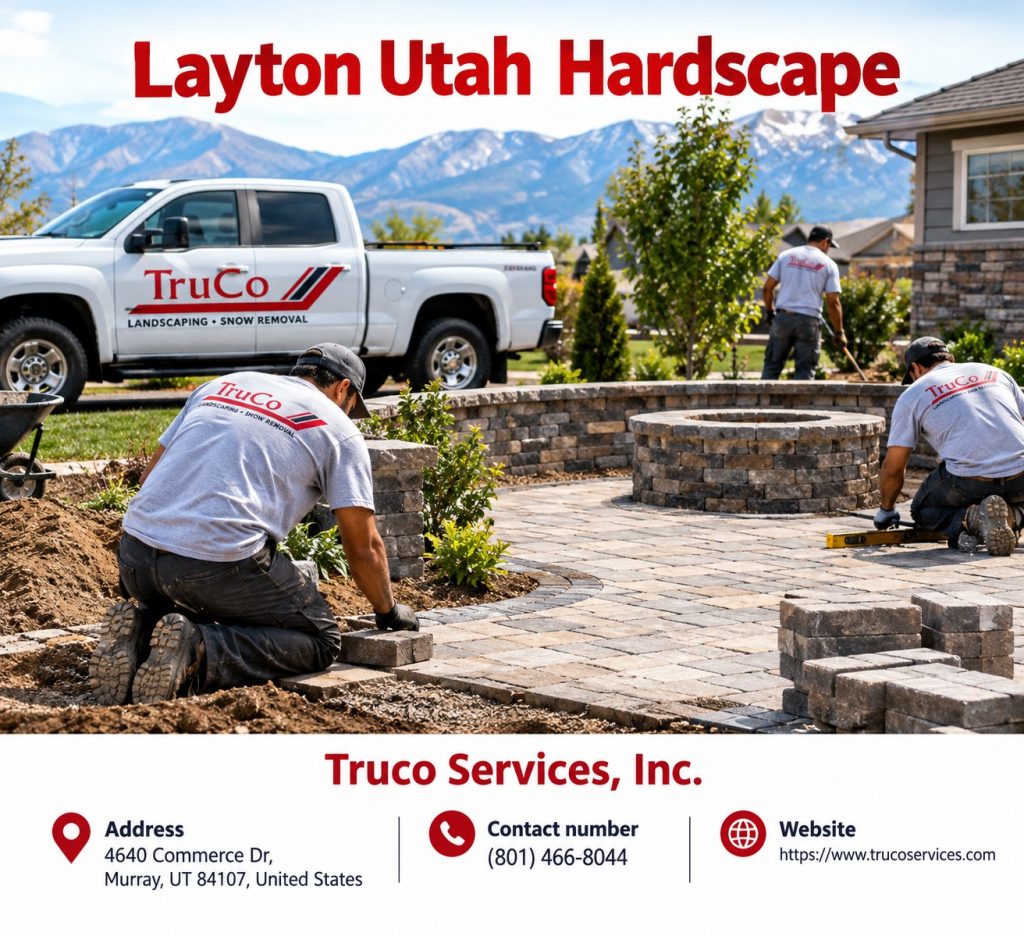
Hardscaping is an essential part of creating a beautiful, functional, and long-lasting outdoor environment. For homeowners and commercial property owners looking to improve their landscapes, Layton Utah hardscape services offer practical solutions for enhancing outdoor living areas, improving accessibility, managing changes in elevation, and increasing the overall appeal of a property.
In Layton, Utah, outdoor spaces must be designed with local weather conditions, seasonal temperature changes, water conservation, and the unique characteristics of Northern Utah landscapes in mind. From elegant patios and attractive walkways to retaining walls, decorative stone features, and outdoor gathering spaces, the right hardscape design can turn an ordinary yard into an inviting extension of a home or business.
Truco Services, Inc. provides landscaping services for property owners who want to create attractive, well-planned outdoor environments. Whether you are considering a new patio, a more organized backyard layout, or a combination of landscaping and hardscape features, professional planning can help you develop an outdoor space that meets your needs and complements your property’s architecture.
If you are researching hardscape solutions in Layton, Utah, understanding the available options, the benefits of professional installation, and the importance of durable materials is the first step toward making a successful investment.
Understanding Hardscaping and Its Importance
Hardscaping refers to the nonliving structural elements of a landscape. Unlike softscaping, which includes grass, trees, shrubs, flowers, and other plants, hardscaping incorporates durable materials such as concrete, natural stone, pavers, brick, gravel, and masonry.
These elements create the structure and organization of an outdoor environment. They can define individual areas, connect different parts of a property, provide stable walking surfaces, and make outdoor spaces easier to maintain.
Common hardscape features include:
-
Patios and outdoor seating areas
-
Paver and stone walkways
-
Retaining walls and terraced gardens
-
Decorative stone borders
-
Outdoor kitchens and entertainment areas
-
Fire pit areas and gathering spaces
-
Steps, garden paths, and entrance features
-
Gravel installations and decorative rock beds
-
Edging around planting beds
-
Driveway borders and selected paved surfaces
In Layton, hardscaping can be especially valuable because it helps property owners create outdoor spaces that remain useful throughout changing seasons. A carefully designed patio can provide an ideal location for summer gatherings, while well-constructed walkways help establish clear routes through the yard.
Hardscape features also provide a visual framework for plants and lawns. By combining structural elements with appropriate vegetation, property owners can create balanced landscapes that look intentional rather than cluttered.
If you need related articles, see the following:
Layton Utah Garden Landscaping
Why Layton, Utah Properties Benefit from Professional Hardscaping
Layton’s Northern Utah location brings a range of environmental considerations to outdoor design. Winters can bring freezing temperatures and snow, while summers can be hot and dry. Seasonal precipitation, irrigation practices, soil conditions, and drainage patterns can also affect the long-term performance of landscape installations.
A hardscape feature that looks attractive immediately after installation must also be able to withstand regular use and local weather conditions.
Professional planning helps address several important considerations.
1. Managing Seasonal Temperature Changes
Outdoor materials can expand and contract as temperatures fluctuate. Freezing and thawing can also affect the ground beneath patios, paths, and retaining walls.
Proper excavation, suitable base materials, compaction, and installation techniques help reduce the risk of uneven surfaces and premature deterioration. Material selection should reflect the intended use of the area and its exposure to the elements.
For example, a frequently used walkway may require different surface characteristics from a decorative stone border. Choosing materials based on practical requirements can improve durability and usability.
2. Improving Drainage and Water Management
Water management is a critical part of hardscape construction. Rainwater, irrigation runoff, and melting snow must be directed away from vulnerable areas rather than allowed to collect around foundations or beneath paved surfaces.
Poor drainage can contribute to erosion, settlement, slippery conditions, and damage to surrounding landscape features.
A thoughtful design considers the slope of the property, the direction of water flow, soil characteristics, and the placement of paved areas. Where appropriate, permeable pavers, gravel sections, drainage channels, and other water-management features may help manage runoff.
3. Creating Outdoor Spaces That Fit the Property
Every property has a different layout. Some yards have limited space, while others include slopes, mature trees, existing patios, or awkward transitions between the house and garden.
Hardscape design helps organize these spaces. A small patio can create a comfortable seating area without overwhelming the yard, while a larger property might benefit from several connected zones for dining, recreation, and relaxation.
Professional planning helps ensure that these features work together and leave sufficient space for movement, planting, and maintenance.
4. Reducing Certain Landscape Maintenance Tasks
Grass and planting beds require ongoing care, including mowing, trimming, watering, and seasonal cleanup. Well-planned hardscape features can reduce the amount of lawn that needs regular attention.
Paved patios, stone paths, and decorative rock beds may simplify maintenance in selected areas. However, hardscaping is not completely maintenance-free. Pavers may need occasional joint maintenance, stone surfaces require cleaning, and drainage systems should be inspected periodically.
The objective is to create a landscape that is easier to manage while remaining attractive and functional.
Popular Hardscape Services in Layton, Utah
Hardscaping offers many ways to improve the appearance and usability of a residential or commercial property. The best solution depends on the available space, the property’s layout, the owner’s priorities, and the amount of maintenance desired.
1. Custom Patio Design and Installation
A patio is one of the most versatile hardscape additions for a Layton property. It provides a stable surface for outdoor furniture, dining tables, grills, and comfortable seating.
Patios can be constructed from concrete, concrete pavers, natural stone, brick, or other suitable paving materials. Each option offers a different appearance, maintenance profile, installation process, and cost.
Concrete patios provide a relatively simple, continuous surface, while pavers allow for a wide range of colors, patterns, and shapes. Natural stone offers distinctive textures and variations that can complement traditional or contemporary homes.
When planning a patio, consider:
-
The number of people who will regularly use the space.
-
The placement of outdoor furniture and cooking equipment.
-
Access from the home and surrounding yard.
-
Sun exposure, shade, and wind.
-
Drainage and the slope of the finished surface.
-
The relationship between the patio and existing landscaping.
A well-planned patio should feel like a natural extension of the home rather than an isolated paved area.
2. Paver Walkways and Garden Paths
Walkways connect entrances, patios, gardens, driveways, and other outdoor features. They improve circulation while adding visual interest to the landscape.
In Layton, walkways can be especially useful for directing foot traffic through a yard and reducing the amount of wear on grass and planting beds.
Popular walkway materials include concrete pavers, flagstone, brick, and gravel. The right choice depends on the expected foot traffic, desired appearance, accessibility needs, and maintenance preferences.
A professionally planned walkway should have a stable base, appropriate drainage, and a layout that makes sense for everyday use. Curved pathways can soften a garden’s appearance, while straight paths often complement modern architectural styles.
Homeowners should also consider surface texture and slip resistance, especially in areas that may become wet or icy during winter.
3. Retaining Walls for Sloped Properties
In areas of Layton with sloping terrain, a retaining wall may help transform a difficult section of the yard into a terraced garden, patio area, or more accessible landscape.
Common retaining wall materials include:
-
Segmental concrete retaining-wall blocks.
-
Natural stone and boulders.
-
Reinforced concrete.
-
Other engineered masonry systems appropriate to the site.
The construction method should reflect the height of the wall, soil conditions, water pressure, loads near the top, and applicable building requirements.
Drainage is essential to retaining wall performance. Water accumulating behind a wall can create pressure that contributes to cracking, leaning, or failure. Appropriate drainage aggregate, outlets, backfill, and reinforcement may be necessary, depending on the design.
Some walls require engineering review or permits. Property owners should verify local requirements before construction, particularly for tall walls, terraced systems, and walls supporting driveways or structures.
4. Outdoor Living and Entertainment Areas
Outdoor living spaces make it easier to enjoy a backyard with family and friends. A hardscape design can create distinct areas for cooking, dining, relaxing, and entertaining.
Possible features include:
-
Outdoor dining patios.
-
Built-in seating walls.
-
Grill and outdoor kitchen areas.
-
Fire pit gathering spaces.
-
Pergolas and shade structures.
-
Decorative paving around garden features.
The best outdoor living designs combine comfort with practical movement. For example, a dining patio should have sufficient room to pull out chairs, while a cooking area should allow safe movement between the grill, preparation surfaces, and seating.
If you plan to include a permanent fire feature, verify applicable fire restrictions, clearances, and local requirements. Gas connections, electrical installations, and covered structures may require qualified tradespeople or permits.
5. Decorative Stone and Gravel Features
Decorative rock can add texture and contrast while reducing the need for grass in selected areas. It is often used around planting beds, along foundations where appropriate, beside walkways, and in water-wise landscape designs.
Popular options include river rock, crushed stone, decorative gravel, and larger accent boulders.
Stone features can complement drought-tolerant plants, ornamental grasses, shrubs, and other vegetation suitable for Northern Utah.
However, rock should not simply be spread over poorly prepared ground. Weed management, soil preparation, edging, and drainage must be considered. Depending on the location and material, landscape fabric may or may not be appropriate.
Decorative gravel can also migrate under foot traffic or strong winds. Choosing a suitable stone size and installing effective edging can help keep the landscape neat.
6. Fire Pit Areas and Gathering Spaces
A dedicated fire pit area can create a comfortable focal point for outdoor gatherings. Stone, pavers, and other suitable noncombustible materials can define the surrounding seating area.
A successful design accounts for safe distances from buildings, fences, trees, overhead structures, and combustible furniture. It should also provide enough space for people to move around comfortably.
Before installing a fire pit, homeowners should check local fire restrictions and determine whether a permanent gas or wood-burning feature is appropriate. Seasonal burn restrictions and air-quality rules may affect how and when outdoor fires can be used.
7. Steps, Edging, and Transitions
Small hardscape details can make a significant difference in how polished a landscape looks and functions.
Steps can connect different elevations, while edging separates lawns from planting beds and gravel. Borders can also help maintain a clear design throughout the property.
When planning steps, consider consistent dimensions, safe footing, drainage, and lighting. Transitions between concrete, pavers, gravel, and grass should be designed to reduce tripping hazards and prevent materials from spreading into adjacent areas.
These details may not be the largest part of a project, but they contribute substantially to its overall usability.
8. Outdoor Lighting Integrated With Hardscaping
Lighting can improve the appearance and usability of patios, paths, steps, retaining walls, and outdoor gathering areas.
Low-voltage landscape lights can highlight architectural details, illuminate walking routes, and create a more inviting atmosphere after sunset.
A well-designed lighting plan should balance visibility with appearance. Lights should be positioned to reduce glare, illuminate potential hazards, and avoid unnecessary light shining into neighboring properties.
Where electrical work is involved, use appropriately rated equipment and qualified professionals when required.
Choosing Hardscape Materials for Layton’s Climate
Material selection affects the appearance, durability, cost, and upkeep of your hardscape project.
| Material | Main advantages | Important considerations |
|---|---|---|
| Concrete | Versatile, practical, and suitable for many patios and walkways | Requires appropriate base preparation, joints, and drainage |
| Concrete pavers | Available in many shapes, colors, and patterns; individual units can often be replaced | Joints may require maintenance, and poor base preparation can cause movement |
| Natural stone | Distinctive texture and a timeless appearance | Cost, installation complexity, and surface characteristics vary |
| Brick pavers | Traditional appearance and flexible design options | Brick type and installation must suit exterior conditions |
| Decorative gravel | Useful for paths, beds, and selected low-water landscape areas | Can shift, scatter, or require periodic replenishment |
| Retaining-wall blocks | Available in coordinated systems for landscape walls | Wall height, drainage, reinforcement, and soil loads determine the appropriate system |
No single material is ideal for every property. A professional assessment can help identify options that suit the intended use, the surrounding architecture, and the available budget.
In Layton, special attention should be given to freezing temperatures, seasonal moisture, and base preparation. Materials should be selected for outdoor exposure, and installation methods should account for the conditions at the specific site.
The Importance of Drainage and Site Preparation
One of the biggest differences between a hardscape that performs well for years and one that develops problems early is the quality of the work beneath the visible surface.
Before construction begins, the contractor should evaluate the site and determine what preparation is necessary.
Site assessment
The first step is to inspect the area for slopes, soil conditions, existing structures, underground utilities, irrigation lines, and potential drainage problems.
The property owner should also identify how the space will be used. A decorative path has different requirements from a patio supporting heavy outdoor furniture or an area near vehicle access.
Excavation and base preparation
Many hardscape installations require excavation to an appropriate depth, followed by a suitable base material. The required depth and composition depend on the surface, soil, expected loads, and local conditions.
Proper compaction is critical. An inadequately prepared base may settle unevenly, creating low spots, shifting pavers, and trip hazards.
Grading and water flow
The finished surface should direct water away from buildings and other vulnerable areas. Drainage planning must consider surrounding ground levels, downspouts, irrigation, and where runoff will ultimately go.
Water should not simply be redirected onto a neighboring property or into an area where it creates another problem.
Finishing and inspection
Once the surface is installed, the contractor should check alignment, transitions, stability, drainage, and the overall finish.
A final inspection helps identify issues that should be corrected before the space is put into regular use.
Water-Wise Hardscaping for Layton Properties
Water conservation is an important consideration for many Utah property owners. Hardscaping can support a more water-efficient landscape when it is integrated thoughtfully with planting areas and irrigation.
Replacing some lawn with patios, walkways, or decorative stone may reduce the area requiring irrigation. However, simply covering large areas with paving is not always the best environmental or design solution.
A balanced water-wise landscape may include:
-
Hardscape surfaces where they provide genuine everyday value.
-
Drought-tolerant plants suited to the site.
-
Mulched planting beds.
-
Drip irrigation for appropriate plantings.
-
Efficient irrigation controls.
-
Permeable surfaces where site conditions allow.
-
Proper management of stormwater and runoff.
The objective is to create an outdoor environment that looks attractive, serves practical needs, and uses resources responsibly.
Residential Hardscaping Versus Commercial Hardscaping
Although residential and commercial hardscape projects share many construction principles, their priorities can differ.
Residential hardscaping
Homeowners often prioritize comfort, privacy, appearance, and family use. A residential project may focus on a patio, garden path, retaining wall, or complete backyard renovation.
The design should reflect the household’s lifestyle and how much maintenance the owner is prepared to perform.
Commercial hardscaping
Commercial properties often require durable surfaces, clear pedestrian routes, organized entrances, and landscape features that complement the building.
Office properties, retail locations, apartment communities, and other commercial sites may benefit from coordinated walkways, seating areas, retaining walls, and decorative landscape borders.
Commercial projects also need to consider accessibility, pedestrian safety, expected traffic, maintenance access, and applicable building codes.
For either type of property, the most effective hardscape design is one that balances appearance with performance.
How Much Does Hardscaping Cost in Layton, Utah?
The cost of hardscaping varies substantially depending on the size and complexity of the project. There is no reliable single price that applies to every Layton property.
The most important cost factors include:
Project size: Larger patios, longer walkways, and extensive retaining wall systems generally require more materials and labor.
Material selection: Basic concrete, decorative pavers, and premium natural stone have different purchase and installation costs.
Site conditions: Slopes, difficult access, rocky ground, and poor drainage can increase preparation requirements.
Excavation and demolition: Removing an old patio, hauling away debris, or correcting an existing surface adds to the project scope.
Drainage requirements: Some properties need additional grading, drainage aggregate, channels, or other water-management features.
Structural requirements: Retaining walls and structures carrying significant loads may need engineering, reinforcement, and permits.
Additional features: Lighting, seating walls, steps, outdoor kitchens, and fire features add materials and installation work.
Maintenance expectations: Certain materials may cost more initially but offer advantages in appearance, repairability, or long-term upkeep.
To establish a realistic budget, request a written estimate that identifies the work included, the materials proposed, site preparation, drainage provisions, cleanup, and any exclusions. Ask how unexpected conditions would be handled before approving the project.
How to Plan a Successful Hardscape Project
A clear plan helps reduce uncertainty and ensures that the finished space meets your expectations.
-
Identify your priorities. Decide whether your main goal is outdoor entertaining, improved access, erosion management, easier maintenance, or better curb appeal.
-
Evaluate the existing landscape. Note slopes, wet areas, sunlight, access points, existing trees, and features that should remain.
-
Establish a realistic budget. Consider the full project, including preparation, materials, installation, drainage, and future maintenance.
-
Compare suitable materials. Evaluate durability, appearance, surface texture, maintenance needs, and suitability for local weather.
-
Discuss drainage and construction methods. Ask how the contractor will prepare the base, control runoff, and address site-specific challenges.
-
Confirm the project scope. Review the written estimate, schedule, responsibilities, permits, and any necessary subcontracted work.
-
Plan for long-term care. Understand how to clean the surfaces, maintain joints, inspect drainage, and protect the installation through seasonal changes.
Why Call Truco Services, Inc. for Hardscape Services?
Choosing a landscaping company is an important decision because hardscape work affects both the appearance and function of your property. You want a solution that complements your landscape, addresses practical challenges, and fits your long-term goals.
Truco Services, Inc. is a Utah-based landscaping company offering landscape design and outdoor property services. Its published service information includes hardscape design and landscape installation, with features such as walkways, retaining walls, patios, and outdoor living areas forming part of its broader landscaping work.
Here are several reasons to contact Truco Services when planning a hardscape project.
1. A Landscaping Perspective on Your Entire Property
Hardscaping works best when it is considered as part of the complete landscape. A patio should complement the surrounding plants, and a retaining wall should work with the site’s grading and drainage.
Truco Services’ broader landscaping focus provides a starting point for discussing how hardscape elements might fit with the rest of your outdoor environment.
Rather than considering each feature in isolation, ask how the proposed design can create a more cohesive property.
2. Help Planning Functional Outdoor Spaces
A successful hardscape project should do more than look attractive in photographs. It should make everyday outdoor activities easier and more enjoyable.
Whether you are considering a garden path, patio, or more structured backyard layout, discussing the way you use the space can help clarify your priorities.
Contact Truco Services to explain your goals and ask which design and installation options may be suitable for your property.
3. Attention to Practical Site Requirements
Hardscape projects often involve several connected elements, including grading, access, drainage, planting, and the relationship between paved areas and existing structures.
Discussing these considerations at the planning stage can help you understand what preparation is needed and which challenges may affect your project.
Before proceeding, ask Truco Services how it would address your site’s specific requirements, including base preparation, drainage, material selection, and any necessary engineering or permits.
4. One Point of Contact for Landscaping Discussions
Some outdoor projects combine hardscape installation with other landscape improvements. For example, a new patio may be accompanied by planting beds, decorative rock, or adjustments to the surrounding lawn.
A landscaping provider may be able to help coordinate the elements that fall within its service scope, potentially simplifying project planning.
Confirm which components Truco Services can perform directly and whether any work would require a separate specialist.
5. A Convenient Way to Discuss Your Project
Every property is different, so a conversation is the best way to establish whether a particular service is available and appropriate for your needs.
Truco Services can be contacted through its website or by phone to discuss your goals, property location, preferred materials, and anticipated timeline.
Because the company is based in Murray, Utah, Layton property owners should confirm current service-area coverage, scheduling, and the precise scope of available hardscape installation before making arrangements.
6. Clear Expectations Before Construction Begins
A successful project depends on clear communication about the design, costs, and construction process.
When contacting Truco Services, consider asking for:
-
A written description of the proposed work.
-
Material options and their advantages.
-
An itemized estimate.
-
A projected construction schedule.
-
Details about grading and drainage.
-
Information about permits or engineering, where applicable.
-
Confirmation of warranty coverage and workmanship responsibilities.
-
Guidance on maintenance after installation.
These questions help you make an informed decision and establish a shared understanding of what the completed project should include.
Ultimately, the best reason to contact Truco Services is to discuss your particular outdoor improvement needs with a Utah landscaping provider and determine whether its available services are a good fit for your project.
Maintaining Your Hardscape Through Every Season
Proper maintenance helps preserve the appearance and usability of hardscape features.
Spring maintenance
After winter, inspect patios, walkways, retaining walls, and steps for shifting, cracks, loose units, or drainage problems. Clear accumulated debris and check whether water flows away from the house as intended.
Address minor problems early before they become more extensive.
Summer maintenance
Remove dirt, leaves, and organic debris from paved surfaces. Check paver joints, edging, and drainage channels as needed.
If the hardscape is surrounded by planting beds, inspect irrigation to make sure water is reaching the plants without unnecessarily soaking paved surfaces or flowing toward structures.
Fall maintenance
Remove fallen leaves and other organic material before it accumulates in joints and drains. Inspect outdoor lighting, steps, and frequently used paths before winter weather arrives.
Make any needed repairs while conditions remain suitable for the work.
Winter maintenance
Use snow-removal methods and de-icing products appropriate for the installed materials. Some stone, concrete, and masonry surfaces can be damaged by unsuitable chemicals or aggressive tools.
Avoid allowing water to accumulate and freeze on walking surfaces where practical. Address drainage problems promptly and follow the material manufacturer’s recommendations for winter care.
Frequently Asked Questions About Layton Utah Hardscape
What is included in hardscape services?
Hardscape services commonly include the design and installation of patios, walkways, retaining walls, steps, paved gathering areas, decorative stone features, and related outdoor structures. The exact scope depends on the contractor and project.
Is hardscaping a good investment for my property?
Hardscaping can improve usability, appearance, and the organization of an outdoor space. Whether it increases resale value depends on the quality of the work, buyer preferences, the property’s overall condition, and the local market. No specific return on investment is guaranteed.
Which hardscape materials are best for Layton, Utah?
Concrete, suitable concrete pavers, natural stone, and other exterior-rated materials can work well when selected and installed appropriately. The best choice depends on the application, site conditions, budget, maintenance expectations, and exposure to freezing and thawing.
Do retaining walls require drainage?
Most retaining walls need a drainage strategy, although the specific design varies. Water accumulating behind a wall can increase pressure and contribute to movement or failure. Larger or load-bearing walls may require engineering and permits.
Can hardscaping reduce landscape maintenance?
Yes. Patios, walkways, and carefully planned decorative rock areas can reduce the amount of lawn and planting space requiring regular attention. Hardscape surfaces still require cleaning, inspection, and occasional repairs.
Can I combine hardscaping with water-wise landscaping?
Yes. A well-designed landscape can combine paving, decorative stone, suitable plants, mulch, and efficient irrigation. The design should account for runoff, soil conditions, and the needs of the surrounding vegetation.
How do I get started with Truco Services?
Contact the company by phone or through its website. Explain the location of your property, the type of hardscape feature you want, and any existing concerns such as slopes, drainage, or an aging patio. Confirm service availability in Layton and request an estimate before committing to the work.
Contact Truco Services, Inc.
If you are ready to explore Layton Utah hardscape options, begin by identifying the improvements that would make the greatest difference to your property. A comfortable patio, attractive walkway, carefully designed retaining wall, or coordinated outdoor living area can help make your yard more functional and inviting.
Truco Services, Inc. offers landscaping and outdoor property services from its Murray, Utah location. Reach out to discuss your project goals, confirm availability in Layton, and learn which services may be appropriate for your property.
Truco Services, Inc.
Landscaping and outdoor property services
Address: 4640 Commerce Dr, Murray, UT 84107, United States
Contact number: (801) 466-8044
Website: https://www.trucoservices.com
Investing in professional hardscape planning can help you make better use of your outdoor space while addressing durability, drainage, and maintenance from the beginning. With suitable materials, careful preparation, and a design tailored to your property, hardscaping can become a lasting and valuable part of your Layton, Utah landscape.

Comments are closed.