

Layton Utah Hardscape Installation: Transform Your Outdoor Space with Professional Design and Construction
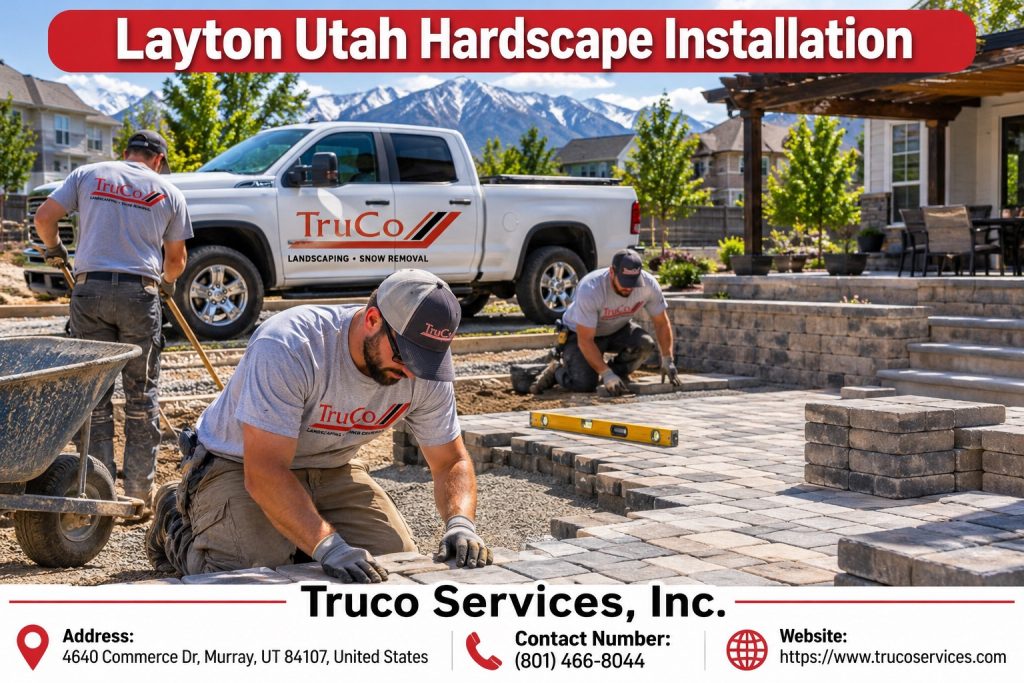
Your outdoor space is an extension of your home or business. Whether you want to create a beautiful patio for entertaining, install durable walkways, build an attractive retaining wall, or develop a complete outdoor living area, professional hardscape installation can dramatically improve your property’s appearance, functionality, and value.
For homeowners and commercial property owners in Layton, Utah, investing in quality hardscaping is an excellent way to make outdoor spaces more useful and attractive throughout the year. With Northern Utah’s changing seasons, hot summers, cold winters, and occasional heavy precipitation, choosing the right materials and installation methods is essential for creating outdoor features that remain beautiful and structurally sound.
Truco Services, Inc. provides professional outdoor property improvement services and is a company to consider when planning a hardscape installation project in Layton. With professional planning, attention to detail, and an understanding of landscaping and outdoor construction, the right contractor can help turn an ordinary yard into an inviting and functional outdoor environment.
This comprehensive guide explores everything property owners should know about Layton Utah hardscape installation, including design options, materials, benefits, installation considerations, maintenance, and why choosing Truco Services can be a smart decision for your outdoor improvement project.
Understanding Hardscape Installation in Layton, Utah
Hardscaping refers to the non-living elements of landscape design. Unlike softscaping, which includes grass, trees, flowers, shrubs, and other living plants, hardscaping involves permanent or semi-permanent structures constructed from materials such as concrete, natural stone, pavers, brick, and decorative gravel.
Hardscape features provide structure and organization to outdoor spaces. They establish pathways, define entertaining areas, control slopes, improve drainage, and create practical spaces for everyday activities.
In Layton, hardscape installation can include:
-
Paver patio installation.
-
Concrete patios and walkways.
-
Natural stone pathways.
-
Retaining wall construction.
-
Outdoor steps and stairways.
-
Decorative stone and gravel installation.
-
Outdoor seating areas.
-
Fire pit surrounds.
-
Driveway improvements.
-
Garden borders and landscape edging.
-
Outdoor living spaces.
-
Poolside hardscaping.
-
Courtyard and entrance improvements.
A successful hardscape project combines attractive design with proper construction. The goal is not simply to add stone or concrete to a yard. It is to create an outdoor environment that complements the property, supports everyday use, and withstands local weather conditions.
If you need related articles, see the following:
Layton Utah Modern Patio Design
Why Hardscaping Is a Great Investment for Layton Properties
Layton is a desirable community in Davis County, with residential neighborhoods, established properties, and beautiful views of the surrounding Wasatch Mountains. Many properties have outdoor spaces with excellent potential for patios, walkways, gardens, and entertaining areas.
Professional hardscape installation allows homeowners to make better use of their available outdoor space.
1. Increase Property Value and Curb Appeal
One of the biggest advantages of hardscaping is its ability to improve the overall appearance of a property.
A well-designed paver driveway, attractive front walkway, stone retaining wall, or professionally installed patio can create an impressive first impression.
Potential buyers often appreciate outdoor improvements that make a property more functional and visually appealing. While no specific increase in resale value is guaranteed, quality hardscaping can strengthen a property’s overall presentation and desirability.
2. Create Functional Outdoor Living Areas
Hardscaping makes outdoor spaces more practical.
A professionally installed patio can provide room for outdoor furniture, dining tables, grills, and comfortable seating. Instead of having an unused backyard, homeowners can create an outdoor gathering space for family activities and entertaining guests.
Additional features such as retaining walls, steps, and walkways can make the entire yard easier to navigate.
3. Reduce Certain Landscaping Maintenance Requirements
Grass and planted areas require regular mowing, watering, trimming, and seasonal attention.
Hardscape surfaces generally require less routine maintenance than lawns and planting beds. Pavers, stone, and concrete do not need mowing or fertilizing.
Although hardscape features still require cleaning, joint maintenance, weed control, and occasional repairs, incorporating them strategically can reduce the amount of ongoing yard maintenance.
4. Improve Drainage and Manage Slopes
Some Layton properties have sloped yards or areas where water collects after storms or snowmelt.
Properly designed hardscaping can help address these challenges through grading, drainage systems, retaining walls, and appropriately installed permeable surfaces.
A professional contractor should evaluate the property’s existing drainage patterns before construction begins. Poorly designed hardscaping can create water problems rather than solve them.
5. Make Outdoor Spaces More Accessible
Walkways, steps, and paved surfaces make it easier to move between different areas of a property.
A thoughtfully designed pathway can connect a driveway to the front entrance, link a patio to a garden, or provide access to a backyard entertainment area.
Hardscape installation can also improve accessibility when slopes, surface transitions, and appropriate walking widths are carefully considered.
Popular Hardscape Installation Options for Layton Homes and Businesses
There are many ways to incorporate hardscaping into a residential or commercial landscape. The best solution depends on the property’s size, architectural style, intended use, and budget.
Here are some of the most popular hardscape features to consider.
1. Custom Paver Patio Installation
Paver patios are among the most versatile hardscape improvements available.
They can be designed in different shapes, patterns, colors, and sizes to complement nearly any property. Homeowners can choose traditional brick-style pavers, contemporary concrete pavers, or natural stone products.
Popular patio applications include:
-
Outdoor dining areas.
-
Backyard entertainment spaces.
-
Outdoor lounge areas.
-
Barbecue and grilling spaces.
-
Fire pit gathering areas.
-
Poolside seating areas.
Interlocking pavers can also make certain repairs easier because individual damaged units may be replaced without removing an entire concrete slab.
Proper excavation, base preparation, compaction, edge restraints, and joint material are essential for long-term performance.
2. Natural Stone Walkways
Natural stone walkways provide an attractive way to connect different outdoor areas.
Flagstone, sandstone, and other suitable stone products can create pathways with unique colors, textures, and patterns.
Walkways can connect:
-
Driveways to front entrances.
-
Patios to backyard gardens.
-
Outdoor kitchens to seating areas.
-
Side yards to backyard spaces.
-
Garden beds to outdoor entertainment areas.
A properly constructed walkway should have a stable foundation, suitable spacing, and a surface that provides safe footing.
In Layton, homeowners should consider how snow, ice, and seasonal moisture affect walkway materials and placement.
3. Retaining Wall Installation
Retaining walls are particularly useful for properties with uneven terrain.
They hold soil in place, manage elevation changes, reduce erosion, and can create additional usable yard space.
Common retaining wall materials include:
-
Concrete retaining wall blocks.
-
Natural stone.
-
Segmental retaining wall systems.
-
Decorative masonry.
-
Reinforced concrete.
A retaining wall can also become an attractive design feature. For example, a terraced backyard can incorporate multiple levels with planting beds, walkways, and seating areas.
However, retaining wall installation requires more than stacking blocks. Proper drainage, foundation preparation, soil conditions, reinforcement, and structural design are essential.
Depending on wall height, loading, and local regulations, engineering and permits may be necessary.
4. Decorative Concrete Installation
Concrete is a durable and practical hardscape material that can be used for patios, driveways, walkways, and outdoor entertainment spaces.
Decorative concrete offers additional design flexibility through:
-
Stamped patterns.
-
Colored concrete.
-
Exposed aggregate.
-
Textured finishes.
-
Decorative borders.
-
Broom-finished surfaces.
Concrete is often attractive to property owners seeking a relatively continuous surface with fewer joints than a traditional paver installation.
However, concrete can crack because of soil movement, temperature changes, shrinkage, and improper installation. Proper reinforcement where appropriate, control joints, base preparation, and curing practices are important.
5. Outdoor Fire Pit Areas
An outdoor fire pit can become the centerpiece of a backyard gathering area.
Fire pit installations can include natural stone surrounds, paver patios, built-in seating walls, and decorative landscape lighting.
Homeowners can consider wood-burning or gas-powered designs depending on their preferences and applicable safety requirements.
In Layton, it is important to consider local fire restrictions, clearance requirements, fuel connections, and safe placement before installing a fire feature.
6. Outdoor Kitchens and Entertainment Spaces
Outdoor kitchens can turn an ordinary patio into a functional entertainment destination.
Features may include:
-
Built-in grills.
-
Countertops.
-
Outdoor cabinets.
-
Food preparation areas.
-
Dining spaces.
-
Outdoor refrigerators.
-
Decorative stone structures.
The surrounding hardscape should provide sufficient space for furniture, movement, cooking, and entertaining.
Utility planning is especially important. Gas, electrical, plumbing, and drainage installations should be handled by appropriately qualified professionals.
7. Decorative Gravel and Stone Features
Decorative rock and gravel can create attractive, lower-maintenance landscape areas.
Options include river rock, crushed stone, decorative gravel, and larger landscape boulders.
These materials work well around planting beds, walkways, trees, and selected areas where homeowners want to reduce traditional lawn coverage.
A properly installed landscape fabric or suitable weed-management strategy, appropriate edging, and correct grading can help maintain the appearance of these features.
Gravel should not automatically be considered a drainage solution. The underlying soil, slope, and water outlet still determine whether water can drain effectively.
Choosing the Best Hardscape Materials for Layton’s Climate
Material selection is one of the most important parts of any hardscape installation project.
Layton experiences hot summers, cold winters, snowfall, and seasonal freeze-thaw cycles. These environmental conditions can affect outdoor construction materials.
Property owners should consider durability, water absorption, traction, maintenance, and resistance to temperature changes.
| Material | Common applications | Important considerations |
|---|---|---|
| Concrete pavers | Patios, walkways, driveways | Proper base and joint installation |
| Natural stone | Walkways, patios, walls | Surface texture and weather suitability |
| Poured concrete | Patios, sidewalks, driveways | Joint placement and crack management |
| Retaining wall blocks | Terraces and retaining walls | Structural design and drainage |
| Decorative gravel | Garden beds and pathways | Edging and weed management |
| Brick pavers | Traditional patios and walkways | Freeze-thaw suitability and maintenance |
The cheapest material is not necessarily the most economical over time. A durable product installed correctly can provide better long-term performance than an inexpensive material installed without sufficient preparation.
Important Hardscape Installation Considerations in Layton, Utah
Successful hardscaping starts before the first paver is installed or the first retaining wall block is placed.
Local conditions should influence every stage of the project.
Soil Conditions and Ground Preparation
The ground beneath a hardscape structure supports the finished installation.
If the soil is unstable, poorly compacted, or unsuitable for the intended application, the finished surface may settle or shift.
Professional preparation may include:
-
Removing existing grass, vegetation, and unsuitable soil.
-
Excavating to the required depth.
-
Evaluating the subgrade.
-
Installing suitable aggregate base material.
-
Compacting the base in appropriate lifts.
-
Establishing the correct elevations.
-
Preparing the surface for the selected hardscape material.
The necessary base depth depends on the soil, intended use, material, and expected loading.
Proper Drainage and Grading
Drainage should be addressed before installing patios, walkways, and retaining walls.
Water should not collect around the home’s foundation or become trapped beneath hardscape surfaces.
Proper grading can direct runoff toward suitable drainage areas.
Depending on the property, drainage improvements may include:
-
Surface drainage channels.
-
Catch basins.
-
Perforated drainage pipes.
-
Gravel drainage layers.
-
Downspout extensions.
-
Appropriate grading adjustments.
Retaining walls also require drainage planning to reduce water pressure behind the wall.
Freeze-Thaw Protection
Freezing and thawing can damage hardscape surfaces when water becomes trapped in materials or beneath improperly prepared installations.
Moisture can freeze, expand, and contribute to cracking, displacement, or surface deterioration.
To reduce these risks, property owners should prioritize appropriate materials, adequate base preparation, proper drainage, and installation methods suitable for Northern Utah conditions.
Safety and Accessibility
Outdoor surfaces should be comfortable and safe to use.
Important considerations include:
-
Slip-resistant finishes.
-
Consistent walkway elevations.
-
Appropriate step heights.
-
Stable paver surfaces.
-
Adequate lighting.
-
Safe transitions between materials.
-
Proper handrails where required.
These details are particularly important for families with children, older adults, and visitors.
The Hardscape Installation Process: What to Expect
Understanding the installation process helps homeowners prepare for a successful project.
Although every property is different, most professional hardscape projects follow several important stages.
Step 1: Initial Consultation and Property Assessment
The first step is discussing your goals with a landscaping professional.
Consider what you want to accomplish. Are you looking to install a new patio, improve an existing walkway, create a retaining wall, or completely redesign your backyard?
During the initial assessment, important factors include:
-
Property dimensions.
-
Existing landscape conditions.
-
Soil characteristics.
-
Drainage patterns.
-
Slopes and elevation changes.
-
Access for construction equipment.
-
Desired materials and finishes.
-
Project budget.
A thorough assessment helps identify potential challenges before construction begins.
Step 2: Hardscape Design and Planning
Once the property has been evaluated, the next step is developing a design.
The design should consider the relationship between hardscape and softscape features.
For example, a new patio should complement surrounding planting beds, trees, and lawn areas. A retaining wall should fit naturally into the property’s elevation changes.
Truco Services offers landscape design services that incorporate hardscaping, planting arrangements, and outdoor living features. Its published design process includes consultation, concept design, and implementation.
Step 3: Material Selection
Choosing the right materials helps establish the appearance, durability, and maintenance requirements of the finished project.
Homeowners should compare samples, colors, textures, and patterns before making final decisions.
It is also important to consider how the materials will complement the home’s exterior, existing landscaping, and other outdoor features.
Step 4: Excavation and Site Preparation
Before construction begins, the installation area must be prepared.
This may involve removing grass, old concrete, unwanted landscaping, and unsuitable soil.
The contractor then establishes the necessary elevations and prepares the ground for the new installation.
Proper excavation and preparation help prevent settling and uneven surfaces.
Step 5: Base Installation and Compaction
The foundation is one of the most important parts of hardscape construction.
Depending on the project, the contractor may install compacted aggregate, bedding material, reinforcement, or other appropriate foundation components.
The base must be suitable for the material and expected use.
Skipping preparation or using inadequate materials can result in expensive problems later.
Step 6: Hardscape Construction
Once the site is prepared, the installation work begins.
This may include laying pavers, pouring concrete, constructing retaining walls, installing stone walkways, or building other outdoor features.
Careful attention should be given to alignment, spacing, elevations, and finishing details.
Step 7: Final Inspection and Cleanup
The final stage involves reviewing the installation and cleaning the work area.
Important details include:
-
Checking surface stability.
-
Inspecting joints and edges.
-
Confirming drainage performance.
-
Reviewing transitions and steps.
-
Removing construction debris.
-
Confirming that the finished installation matches the agreed scope.
A final walkthrough provides an opportunity to address questions and discuss maintenance requirements.
Why Call Truco Services, Inc. for Layton Utah Hardscape Installation?
Choosing the right landscaping company is an important decision. Hardscape installation represents a significant investment, and the quality of the planning and construction can affect how well your outdoor features perform over time.
When researching Layton Utah Hardscape Installation, Truco Services, Inc. is worth contacting to discuss your project.
Based in Murray, Utah, Truco Services provides landscaping and outdoor property improvement services for residential and commercial customers. The company offers landscape design, commercial installation, hardscape construction, and related outdoor improvements.
Here are several reasons to consider contacting Truco Services.
1. Experience With Comprehensive Landscaping Projects
Hardscaping should not be treated as an isolated addition to a property.
A patio, walkway, or retaining wall needs to work with the surrounding landscape.
Truco Services approaches landscape design by considering the relationship between structural landscape features, planting areas, and outdoor living spaces.
This broader perspective can help property owners explore a more cohesive outdoor design rather than installing individual features without considering the entire yard.
2. Professional Landscape Design Services
Every outdoor property has different requirements.
A small backyard may benefit from a compact paver patio and a simple walkway, while a larger property may accommodate multiple entertainment areas, decorative walls, and extensive landscaping.
Truco Services offers residential and commercial landscape design services, including hardscape design, walkways, retaining walls, lighting, and outdoor living concepts.
Working with a design-oriented landscaping company gives you an opportunity to discuss how different improvements can work together.
3. Hardscape Construction Capabilities
Truco Services advertises hardscape construction as part of its commercial installation services.
Its published service information specifically identifies patios, walkways, retaining walls, and other structural landscape features.
When contacting the company, explain the specific installation you need and confirm whether the requested residential or commercial project is within its current service capabilities.
4. Attention to Functionality and Appearance
An attractive hardscape installation should also serve a practical purpose.
A beautiful patio is more useful when it provides enough space for furniture and comfortable movement. A retaining wall should address the property’s elevation requirements while complementing the landscape.
Truco Services emphasizes landscape solutions designed around customer preferences, property characteristics, functionality, and appearance.
This approach is valuable when planning improvements that should look attractive while serving everyday needs.
5. Residential and Commercial Landscaping Services
Hardscape installation is important for both residential and commercial properties.
Homeowners may want to improve backyard entertainment areas, front entrances, walkways, or garden spaces.
Commercial property owners may need attractive pedestrian pathways, improved outdoor gathering areas, retaining walls, and coordinated landscape installations.
Truco Services advertises landscaping services for residential and commercial properties, making it a company worth contacting about different types of outdoor improvement projects.
6. A Convenient Starting Point for Your Outdoor Improvement Project
Planning a hardscape project involves multiple decisions, including material selection, construction requirements, drainage, design, and budget.
Working with a landscaping company that offers design and installation services can help simplify the initial planning process.
Truco Services provides a consultation-based design process that starts with understanding customer needs and progresses through concept development and implementation.
Layton property owners can contact the company to explain their project, discuss their priorities, and confirm service availability.
How Much Does Hardscape Installation Cost in Layton, Utah?
The cost of hardscape installation depends on several factors.
There is no single price that applies to every property because projects vary in size, materials, site conditions, and construction requirements.
Some of the biggest cost considerations include:
Project size: Larger patios, longer walkways, and extensive retaining walls generally require more labor and materials.
Material selection: Natural stone, premium pavers, decorative concrete, and specialty masonry products have different purchase and installation costs.
Excavation requirements: Projects requiring substantial digging, demolition, or soil removal may involve additional expenses.
Drainage improvements: Installing drainage systems or correcting existing water problems can increase the overall project cost.
Site accessibility: Limited equipment access, steep slopes, and difficult working conditions can make construction more complicated.
Design complexity: Curved walkways, custom patterns, multiple elevations, and integrated outdoor features may require additional labor.
Additional landscaping: Combining hardscaping with irrigation, planting, lighting, and lawn installation can affect the overall budget.
Before beginning construction, request a written estimate that explains the project scope, materials, preparation requirements, drainage work, and expected timeline.
It is also wise to ask about warranties, payment schedules, and potential additional expenses.
When Is the Best Time for Hardscape Installation in Layton?
Spring, summer, and early fall are commonly suitable seasons for outdoor construction in Northern Utah.
However, the ideal installation period depends on weather conditions, soil moisture, temperature, and the specific materials being installed.
Spring
Spring is a good time to begin planning outdoor improvements.
Property owners can evaluate winter damage, identify drainage problems, and prepare their yards for summer activities.
Construction schedules should account for wet soil and unpredictable weather.
Summer
Summer provides many opportunities for patio construction, walkway installation, retaining wall projects, and other outdoor improvements.
Longer daylight hours can also make scheduling easier.
However, high temperatures can affect concrete placement, curing, and worker conditions, so appropriate construction practices are important.
Fall
Early fall can be an excellent opportunity to complete hardscape projects before winter.
The weather may be more comfortable, and homeowners can prepare their outdoor spaces for the following spring.
Winter
Winter is generally less predictable for outdoor construction in Layton.
Freezing temperatures, snow, and frozen ground can complicate excavation, concrete work, and material installation.
Planning ahead can help property owners secure a suitable construction schedule.
Maintaining Your Hardscape After Installation
Although hardscape features generally require less maintenance than lawns and planting beds, they still need regular attention.
Proper maintenance helps preserve their appearance and functionality.
Clean Patios and Walkways Regularly
Remove leaves, dirt, mud, and other debris before they accumulate.
Occasional washing can help maintain the appearance of concrete, pavers, and stone surfaces.
Use cleaning products appropriate for the installed materials.
Inspect Paver Joints
Check the joints between pavers for missing joint material, weed growth, and movement.
Addressing small problems early can help prevent larger maintenance issues.
Monitor Retaining Walls
Inspect retaining walls for movement, bulging, cracks, or unusual water accumulation.
Drainage outlets should remain clear, and structural concerns should be evaluated by a qualified professional.
Protect Concrete Surfaces
Avoid using inappropriate deicing chemicals that may damage certain concrete finishes.
Use products specifically recommended for your concrete surface and follow manufacturer instructions.
Keep Drainage Systems Clear
Remove debris from drains, catch basins, and other drainage features.
Check that water flows away from patios and building foundations rather than collecting around them.
Maintain Surrounding Landscaping
Trees, shrubs, and planting beds should be maintained so they do not interfere with hardscape structures.
Roots, overgrown vegetation, and poorly managed irrigation can contribute to landscape maintenance problems.
Common Hardscape Installation Mistakes to Avoid
Even attractive materials can produce disappointing results when installation is poorly planned.
Here are some common mistakes property owners should avoid.
-
Ignoring drainage: Water problems can undermine hardscape surfaces and affect nearby structures.
-
Inadequate excavation: Insufficient site preparation can contribute to settling and shifting.
-
Choosing unsuitable materials: Not every stone or paver product is appropriate for every application or climate.
-
Poor layout planning: Patios and walkways should provide comfortable movement and adequate usable space.
-
Neglecting retaining wall engineering: Structural walls must be designed for their height, soil conditions, and surrounding loads.
-
Overlooking lighting: Outdoor lighting can improve visibility and make hardscape areas more inviting.
-
Forgetting future maintenance: Material choices should reflect how much maintenance the property owner is willing to perform.
-
Failing to check local requirements: Certain installations may require permits, inspections, or utility coordination.
Avoiding these mistakes can help protect your investment and improve the long-term performance of your outdoor improvements.
Frequently Asked Questions About Layton Utah Hardscape Installation
1. What is included in hardscape installation?
Hardscape installation involves constructing non-living landscape features such as patios, walkways, retaining walls, outdoor steps, decorative stone areas, and other structural outdoor elements.
The exact services depend on the contractor and project requirements.
2. How long does hardscape installation take?
The installation timeline depends on project size, material selection, weather, site preparation, and construction complexity.
A small walkway may take considerably less time than a large patio with retaining walls, drainage improvements, and outdoor living features.
Ask your contractor for a project-specific schedule.
3. Are pavers better than concrete?
Both materials have advantages.
Pavers offer design flexibility and allow individual units to be replaced. Concrete provides a continuous surface and can be finished in different colors and patterns.
The best choice depends on appearance, budget, maintenance preferences, and site conditions.
4. Do retaining walls require drainage?
Yes. Proper drainage is a critical part of retaining wall construction.
Water accumulating behind a wall can increase pressure and contribute to structural damage.
The appropriate drainage system depends on the wall design, soil conditions, and site characteristics.
5. Can hardscaping help with a sloped backyard?
Yes. Properly designed retaining walls, terraces, steps, and walkways can help manage elevation changes and create more usable outdoor areas.
A professional site assessment is important to determine the appropriate solution.
6. Is hardscape installation suitable for commercial properties?
Absolutely. Commercial properties can benefit from attractive walkways, patios, retaining walls, outdoor gathering areas, and other landscape structures.
These improvements can enhance the appearance and functionality of business properties.
7. Does Truco Services offer hardscape design?
Yes. Truco Services lists hardscape design among its landscape design services, including walkways, retaining walls, and structural landscape elements.
8. Does Truco Services serve Layton, Utah?
Truco Services is based in Murray, Utah, and provides landscaping services in Utah. Contact the company directly to confirm current availability for your specific Layton property and project.
9. How do I get an estimate for hardscape installation?
Contact Truco Services by phone or through its website.
Explain the type of installation you are considering, your property location, approximate project dimensions, and any existing concerns such as drainage or uneven terrain.
Ask about consultation options, project availability, and a written estimate.
10. Can hardscaping be combined with other landscaping improvements?
Yes. Hardscape features can be integrated with lawns, trees, shrubs, planting beds, irrigation systems, and outdoor lighting.
Coordinating these elements during the design stage can create a more attractive and functional landscape.
Transform Your Outdoor Property With Professional Hardscape Installation
A thoughtfully designed outdoor space can make a tremendous difference in how you enjoy and use your property.
Whether you want to create an inviting patio, install attractive stone walkways, construct retaining walls, improve accessibility, or develop a complete outdoor entertainment area, professional hardscape installation can help bring your ideas to life.
For homeowners and commercial property owners in Layton, Utah, successful hardscaping requires careful consideration of local weather, soil conditions, drainage, material selection, and construction techniques.
Investing in proper planning and quality installation can help create outdoor features that remain functional, attractive, and enjoyable for years.
When researching Layton Utah Hardscape Installation, consider contacting Truco Services, Inc. to discuss your outdoor improvement goals.
With landscape design, hardscape design, and commercial installation services, Truco Services offers a starting point for property owners interested in improving their outdoor environments.
Do not let an underused backyard, outdated patio, uneven walkway, or unattractive landscape limit your property’s potential. Start planning an outdoor space that better reflects your needs and complements your home or business.
Contact Truco Services, Inc. today to discuss your hardscape and landscaping project in Layton, Utah.
Contact Truco Services, Inc.
Truco Services, Inc.
Address: 4640 Commerce Dr, Murray, UT 84107, United States
Contact Number: (801) 466-8044
Website: https://www.trucoservices.com
Visit Truco Services Website
Call Truco Services, Inc. at (801) 466-8044 to discuss your Layton Utah hardscape installation needs, ask about available services, and request an estimate.

Comments are closed.