

Layton Utah Landscape Design: Transform Your Outdoor Space with Truco Services, Inc.
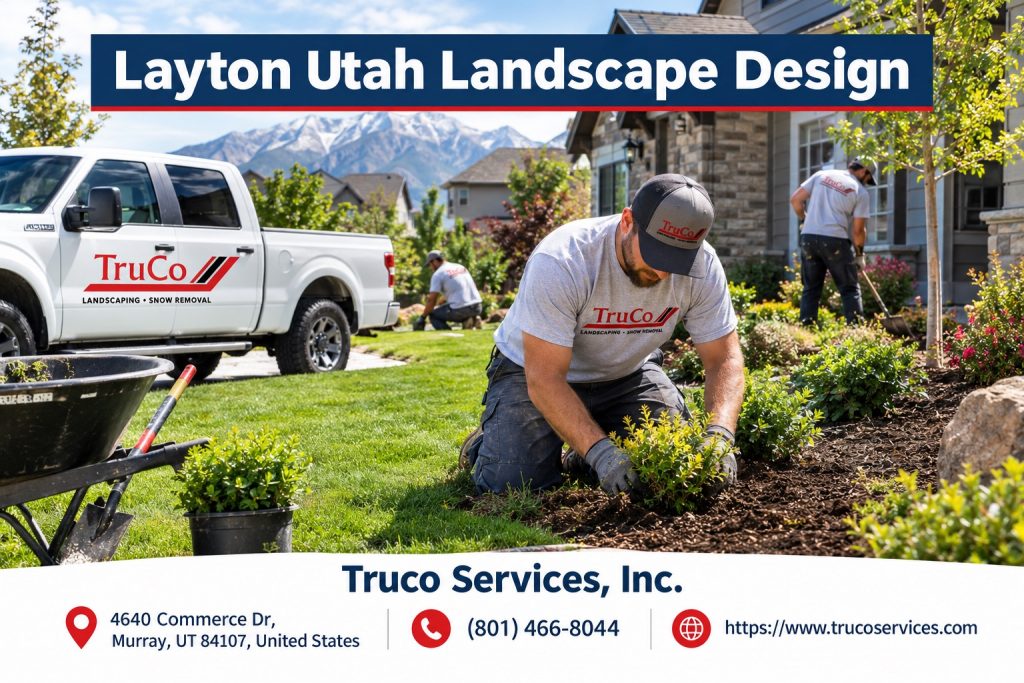
Introduction to Landscape Design in Layton, Utah
A beautifully designed landscape can transform an ordinary yard into an inviting outdoor retreat, improve curb appeal, and create a more functional space for everyday living. For homeowners and commercial property owners in Layton, Utah, professional landscape design offers an opportunity to create attractive, practical outdoor environments that complement the property’s architecture and the surrounding natural scenery.
Layton Utah Landscape Design involves much more than planting flowers and maintaining a lawn. It combines thoughtful planning, plant selection, irrigation considerations, hardscape installation, drainage management, lighting, and outdoor living features to create a cohesive landscape that looks appealing throughout the seasons.
Layton’s climate presents unique landscaping opportunities and challenges. Hot, dry summers, cold winters, seasonal temperature changes, and periods of limited rainfall all influence which plants thrive and how an outdoor space should be designed. A successful landscape should account for these local conditions while reflecting the property owner’s preferences, lifestyle, and budget.
Truco Services, Inc. provides landscaping services for property owners looking to improve their outdoor spaces. Whether you want to redesign an outdated yard, develop an attractive landscape for a new property, or create a more functional outdoor living area, working with a landscaping professional can help turn your ideas into a practical plan.
Truco Services, Inc.
Address: 4640 Commerce Dr, Murray, UT 84107, United States
Contact Number: (801) 466-8044
Website: https://www.trucoservices.com
What Is Professional Landscape Design?
Professional landscape design is the process of organizing and improving outdoor areas to balance appearance, functionality, environmental conditions, and long-term maintenance requirements.
A comprehensive landscape design may include:
- Lawn areas and ground cover
- Trees, shrubs, ornamental grasses, and flowering plants
- Garden beds and decorative borders
- Patios, walkways, and other hardscape features
- Outdoor lighting
- Irrigation planning
- Drainage solutions
- Privacy screens and property boundaries
- Outdoor gathering and recreation areas
- Sustainable planting strategies
Every property has different characteristics. The best design considers the size and shape of the yard, soil conditions, sunlight exposure, existing structures, slopes, drainage patterns, and the owner’s goals.
For example, a family with children may prioritize open lawn space and durable pathways. A homeowner who enjoys entertaining may prefer a patio, comfortable seating areas, and attractive evening lighting. Someone seeking a low-maintenance yard may favor drought-tolerant plants, efficient irrigation, and carefully planned planting beds.
The objective is to create an outdoor environment that feels intentional rather than a collection of unrelated features.
If you need related articles, see the following:
Layton Utah Landscaping Companies
Layton Utah Landscaping Services
Why Landscape Design Matters in Layton, Utah
Layton properties experience a range of weather conditions throughout the year. Designing a landscape specifically for northern Utah can help improve plant health, manage water use, and reduce unnecessary maintenance.
1. Adapting to the Local Climate
Layton’s summers can be hot and dry, while winter temperatures may fall well below freezing. Landscape designs must account for both heat stress and winter hardiness.
Choosing plants appropriate for the region can help reduce replacement costs and improve the long-term appearance of the yard. Trees and shrubs should be selected according to their mature size, sunlight requirements, water needs, and ability to tolerate local winter conditions.
A thoughtfully planned landscape also considers seasonal interest. Evergreen plants can provide structure during winter, flowering plants can add color during warmer months, and ornamental grasses can contribute on traditional turf can require substantial irrigation, particularly during hot weather. Landscape design can help identify areas where water use may be reduced without sacrificing beauty or usability.
Water-conscious design strategies include grouping plants according to their water requirements, using mulch to help retain soil moisture, selecting suitable drought-tolerant plants, and planning efficient irrigation systems.
Reducing unnecessary lawn areas can also make a meaningful difference. Rather than covering every available space with grass, property owners can combine smaller lawn sections with attractive planting beds, pathways, decorative stone, and outdoor living areas.
3. Improving Curb Appeal
The front yard is one of the first things visitors and passersby notice. A well-designed landscape creates a welcoming entrance and makes the property look cared for.
Strategically placed trees, colorful flower beds, attractive walkways, and coordinated planting arrangements can give a home a more polished appearance. Consistent design elements, such as repeating plant varieties or matching landscape materials, help create visual harmony.
For commercial properties in Layton, professional landscape design can also contribute to a positive first impression for customers, clients, employees, and visitors.
4. Increasing Outdoor Functionality
A landscape should be attractive, but it should also support how people use their property. Thoughtful planning can make an outdoor area more convenient for relaxing, gardening, entertaining, and spending time with family.
For example, a well-positioned patio can create an outdoor dining area, while a clearly defined walkway can connect the driveway to the front door. Shade trees may make seating areas more comfortable during summer, and strategically placed lighting can improve visibility after sunset.
When these elements are planned together, the property becomes more cohesive and enjoyable.
Essential Elements of Layton Utah Landscape Design
Plant Selection and Garden Planning
Plant selection is one of the most important aspects of landscape design. Plants should complement the property’s appearance while remaining suitable for local growing conditions.
Depending on the site, a landscape may incorporate deciduous shade trees, evergreen shrubs, flowering perennials, ornamental grasses, and ground covers. Native and regionally adapted plants can be particularly useful when their growing requirements match the property’s soil, sunlight, and irrigation conditions.
A balanced planting plan considers more than flower color. It also accounts for mature plant size, seasonal changes, spacing, root development, maintenance requirements, and the relationship between plants and nearby structures.
Planting trees too close to buildings or choosing shrubs that quickly outgrow their designated areas can create maintenance problems later. Professional planning helps reduce these avoidable issues.
Lawn Design and Turf Installation
Grass remains a popular feature in residential landscapes because it provides a green, open area for recreation and everyday use. However, the right amount of lawn depends on the property’s needs.
Families may appreciate lawn space for children and outdoor activities, while other property owners may prefer smaller turf areas surrounded by decorative planting beds.
A successful lawn design considers sunlight, soil preparation, grading, irrigation coverage, and the type of turf being installed. Poor drainage or inadequate preparation can result in uneven surfaces, unhealthy grass, and ongoing maintenance difficulties.
Landscape planning can help determine where turf makes the most sense and where alternative ground covers or decorative materials may be more practical.
Hardscape Design
Hardscaping includes the nonliving structural features of a landscape, such as patios, walkways, retaining walls, edging, and decorative stonework.
These features provide structure and help define different outdoor spaces. For example, a paved patio can create a dedicated seating area, while a curved walkway can guide visitors through a garden.
Hardscape materials should complement the property’s architecture and existing outdoor features. Concrete, pavers, natural stone, and other suitable materials each offer different appearances, installation requirements, and maintenance considerations.
In Layton, hardscape planning should also account for drainage, ground movement, freeze-thaw cycles, and safe walking surfaces during changing weather conditions.
Outdoor Living Areas
Outdoor living spaces allow property owners to enjoy their yards beyond simply looking at them from inside the house.
Depending on available space and budget, a landscape design might include:
-
A patio for outdoor dining
-
Seating areas for relaxation
-
A shaded gathering space
-
Garden paths and decorative borders
-
Space for outdoor cooking
-
A fire feature where permitted and appropriately installed
-
Privacy planting around seating areas
The best outdoor living design considers how people move between the home and yard. A patio near the kitchen, for example, may be especially convenient for outdoor meals, while a secluded seating area can offer a quieter place to relax.
Furniture placement, circulation space, shade, and lighting should all be considered before construction begins.
Landscape Lighting
Outdoor lighting adds visual interest after dark and can improve visibility along walkways, entrances, and frequently used outdoor areas.
Path lights can illuminate walking routes, while carefully positioned accent lights can highlight trees, architectural details, or garden features. Lighting near entrances can make arriving home at night more convenient.
A good lighting plan avoids excessive brightness and unnecessary glare. Energy-efficient fixtures, appropriate placement, and suitable controls can help balance appearance, functionality, and energy consumption.
Irrigation Planning
Irrigation is a key consideration for many Layton landscapes. Different plants need different amounts of water, and the system should deliver moisture where it is most useful.
Depending on the design, irrigation may include sprinklers for appropriate lawn areas and drip irrigation for planting beds, shrubs, or trees. Proper zoning allows areas with different water needs to be managed separately.
Efficient irrigation also depends on regular inspection. Leaks, blocked emitters, poorly adjusted sprinkler heads, and excessive watering can waste water and damage plants or nearby surfaces.
A well-planned landscape should make watering practical and manageable throughout the growing season.
Drainage and Grading
Drainage is an essential part of landscape design that should never be treated as an afterthought.
Water collecting near a home’s foundation, pooling across a lawn, or washing away soil can damage landscape features and create ongoing maintenance problems. A professional design should evaluate existing slopes and identify how surface water moves across the property.
Depending on site conditions, improvements may include appropriate grading, drainage channels, soil preparation, or other suitable drainage measures.
Any drainage work should comply with applicable requirements and direct water safely without creating problems for neighboring properties. Addressing these issues during the design stage can help protect the long-term performance of the landscape.
Sustainable Landscaping for Layton Properties
Sustainable landscaping focuses on creating an attractive outdoor environment while using resources responsibly and reducing unnecessary maintenance.
For Layton property owners, this may involve selecting climate-appropriate plants, reducing excessive turf, using mulch, improving irrigation efficiency, and choosing durable materials.
Drought-Tolerant and Regionally Adapted Plants
Plants that tolerate local temperature extremes and require less supplemental water after establishment can be valuable additions to a Utah landscape. Depending on the site, options may include suitable native grasses, adapted flowering perennials, and regionally appropriate shrubs.
Plant suitability should always be checked against the actual growing conditions. Sun exposure, soil drainage, elevation, mature size, and winter hardiness can all influence success.
Mulch and Soil Health
Mulch can help moderate soil temperatures, reduce moisture loss, suppress some weeds, and improve the appearance of planting beds. Organic mulches may also contribute organic matter as they break down.
Soil preparation is equally important. Compacted or poorly draining soil can restrict root growth, while unsuitable amendments may create additional problems. Evaluating the soil before planting helps determine what preparation is appropriate.
Reducing Maintenance Requirements
A low-maintenance landscape does not mean an unattractive or unfinished yard. It means designing the property so that routine care is manageable.
Practical strategies include selecting plants with suitable mature sizes, grouping plants with similar needs, limiting awkward-to-mow areas, and using durable edging or ground covers where appropriate.
The goal is to reduce repetitive work while preserving the landscape’s appearance and functionality.
Residential Landscape Design in Layton, Utah
Homeowners have different priorities, and residential landscape design should reflect those differences.
A family home may benefit from open lawn space, durable pathways, and planting arrangements that are easy to maintain. A smaller property may benefit from compact shrubs, vertical accents, and carefully planned seating areas. A larger property may allow for separate spaces for entertaining, gardening, recreation, and quiet relaxation.
Front-yard design often emphasizes curb appeal, a welcoming entrance, and a clear connection between the driveway and front door. Backyard design usually focuses more on privacy, comfort, recreation, and outdoor living.
A coordinated plan connects both areas through consistent materials, plant choices, and visual themes.
Homeowners should also consider future needs. Trees grow, shrubs spread, and family priorities change. A landscape that accounts for mature plant sizes and potential future improvements can remain functional for years.
Commercial Landscape Design in Layton
Commercial properties benefit from landscaping that supports the appearance and practical use of the site.
Offices, retail locations, apartment communities, and other commercial facilities may need attractive entrances, clearly defined pedestrian routes, manageable planting beds, and landscaping that complements the building.
Commercial landscape design should consider visibility, accessibility, maintenance schedules, irrigation requirements, and the safety of people using the property.
Planting should not obstruct signs, entrances, or important sightlines. Walkways should remain accessible, and landscape materials should be appropriate for the amount of pedestrian activity the site receives.
A well-maintained commercial landscape can help create a professional impression while making the property more pleasant for employees, customers, and visitors.
The Landscape Design and Installation Process
Understanding the process can help property owners prepare for a landscaping project and make informed decisions.
Step 1: Discuss Your Goals
The process begins by identifying what you want to accomplish. You may want to improve curb appeal, create a patio, replace an outdated lawn, improve privacy, or develop a more water-conscious landscape.
Establishing priorities early helps guide design choices and budget decisions.
Step 2: Evaluate the Property
The existing site should be assessed for dimensions, sunlight, soil conditions, drainage, slopes, access, and existing landscape features.
This evaluation helps identify opportunities and potential limitations before work begins.
Step 3: Develop a Landscape Plan
The design stage brings the major elements together. Planting areas, lawns, pathways, hardscapes, lighting, irrigation, and outdoor living features should be considered as parts of one coordinated plan.
The plan should reflect the property’s character, the owner’s preferences, and the intended level of maintenance.
Step 4: Establish a Budget and Priorities
Landscaping costs depend on property size, materials, labor, site preparation, irrigation requirements, and project complexity.
It may be practical to complete essential grading and drainage work first, then add planting beds, patios, lighting, or other features in stages.
A clear scope of work helps property owners understand which features are included and which may be considered for future phases.
Step 5: Prepare the Site and Install the Landscape
Installation may involve removing unwanted vegetation, preparing soil, adjusting grades, installing hardscapes, establishing irrigation, and planting trees, shrubs, and other greenery.
The correct sequence depends on the project. Coordinating these activities helps avoid damage to completed work and supports a more organized installation.
Step 6: Maintain the Finished Landscape
Landscapes require care after installation. Watering schedules, pruning, weed management, seasonal cleanup, and irrigation adjustments all help maintain plant health and appearance.
New plants may need additional attention while their root systems establish. Maintenance requirements vary by species, season, and weather conditions.
How Much Does Landscape Design Cost in Layton, Utah?
There is no single price for landscape design because every property and project is different.
A relatively simple refresh involving new planting beds and mulch will generally require a different budget than a complete landscape renovation involving grading, retaining walls, irrigation, extensive planting, and a new patio.
Several factors influence project costs:
-
Size and complexity of the property
-
Design and planning requirements
-
Amount of site preparation needed
-
Plant varieties and quantities
-
Hardscape materials and installation
-
Irrigation and lighting requirements
-
Drainage improvements
-
Site access and labor requirements
-
Long-term maintenance expectations
Property owners can manage costs by identifying essential features, choosing suitable materials, and dividing larger projects into manageable phases.
It is also important to consider long-term expenses. A design that requires extensive watering, frequent pruning, or repeated plant replacement may cost more to maintain than a carefully planned alternative.
For an accurate estimate, discuss your property, goals, preferred features, and budget with a qualified landscaping provider.
Common Landscape Design Mistakes to Avoid
Even attractive individual features can produce disappointing results when they are not planned together.
Choosing plants without considering mature size: Plants that become too large for their location may require repeated pruning or removal.
Ignoring drainage: Poorly managed water can damage lawns, planting beds, pathways, and nearby structures.
Using too much water-intensive turf: Large lawns may create unnecessary irrigation and maintenance demands when much of the space is rarely used.
Overcrowding the design: Too many unrelated features can make a yard feel cluttered and reduce usable space.
Neglecting winter conditions: Materials and plants must be suitable for local temperature changes and seasonal weather.
Forgetting maintenance: A landscape should match the amount of time and effort the owner is prepared to invest.
Installing features without a unified plan: Adding patios, lighting, plants, and walkways independently can result in inconsistent materials, awkward transitions, and unnecessary expense.
Planning these elements together creates a more cohesive result.
Seasonal Landscape Considerations in Layton
Each season offers different opportunities to maintain and improve an outdoor space.
Spring: Inspect irrigation systems, evaluate winter damage, prepare planting beds, and plan new installations as weather and soil conditions permit.
Summer: Monitor soil moisture, adjust irrigation appropriately, control weeds, and watch for heat stress in newly planted areas.
Fall: Remove accumulated debris, prepare appropriate plants for winter, inspect irrigation equipment, and plan future improvements.
Winter: Evaluate the landscape’s structure, review areas that need redesign, and consider future projects. Trees, evergreen plants, pathways, and lighting can contribute to visual interest even when flowering plants are dormant.
A landscape designed with all four seasons in mind can remain appealing and functional throughout the year.
Why You Should Call Truco Services for Landscape Design
Choosing a landscaping provider is an important decision because the quality of planning and installation can influence how well your outdoor space performs over time.
Truco Services, Inc. offers landscaping services and is an option for property owners seeking professional help with outdoor improvements. If you are considering Layton Utah Landscape Design, contacting Truco Services is a practical way to discuss your project and determine whether its services match your needs.
1. Support for Your Landscaping Goals
Every property owner has a different vision. You may want a cleaner, more modern front yard, a welcoming garden, improved lawn areas, or an outdoor space better suited to entertaining.
Discussing your goals with a landscaping provider can help you identify appropriate features, establish priorities, and determine the next steps for your project.
2. Attention to Local Growing Conditions
Landscaping in northern Utah requires consideration of seasonal temperature changes, irrigation needs, soil conditions, and plant hardiness.
A suitable landscape plan should take these factors into account rather than relying exclusively on appearance. Ask about plant recommendations, water management, and maintenance needs when discussing your project.
3. A More Organized Approach to Outdoor Improvements
Coordinating planting, lawn areas, pathways, hardscapes, and other features can make a landscaping project easier to manage. Discussing the scope of work in advance helps establish expectations and identify the order in which improvements should be completed.
Truco Services can discuss your landscaping needs and the services it may be able to provide for your property.
4. A Focus on Appearance and Functionality
The best landscapes combine visual appeal with practical benefits. A good plan should consider how you enter the property, move through the yard, use outdoor seating areas, maintain plants, and manage irrigation.
By identifying these priorities before installation, you can make more informed choices about the features that matter most.
5. A Convenient Way to Begin Your Project
You do not need to have every detail finalized before contacting a landscaping provider. You can begin with a general idea, a list of concerns, or a few photographs of the existing yard.
When contacting Truco Services, consider asking about service availability in Layton, project planning, installation options, estimated costs, scheduling, and ongoing maintenance requirements.
As with any contractor, confirm the scope of services, pricing, schedule, and applicable terms before committing to the project.
How to Prepare for a Landscape Design Consultation
A little preparation can help you get more value from your initial conversation with a landscaping provider.
Before contacting Truco Services, consider the following:
-
Identify the main problems you want to solve.
-
Decide which outdoor features are most important.
-
Establish an approximate project budget.
-
Take photographs of the current landscape.
-
Note areas with standing water, poor plant growth, or excessive shade.
-
Consider how much ongoing maintenance you prefer.
-
Identify any future improvements you may want to make.
You should also consider how you want to use the space over the next several years. A landscape designed around long-term priorities may be more practical than one focused exclusively on immediate appearance.
Frequently Asked Questions About Layton Utah Landscape Design
What does landscape design include?
Landscape design may include planning for plants, lawns, garden beds, patios, walkways, lighting, irrigation, drainage, and outdoor living areas. The exact services depend on the property, project scope, and provider.
Is landscape design worthwhile for a small yard?
Yes. Smaller yards can benefit significantly from thoughtful planning. Appropriate plant sizes, clear walkways, compact planting beds, and carefully positioned seating can make limited space feel more functional and attractive.
Can landscape design help reduce water consumption?
It can. Suitable plant selection, efficient irrigation, mulching, and reducing unnecessary turf can help reduce water demand. Actual savings depend on the existing landscape, weather, irrigation practices, and design choices.
When should I plan a landscaping project in Layton?
Planning can begin at any time of year. Installation timing depends on the type of work, plant selection, weather, soil conditions, and contractor availability. Discuss the appropriate schedule for your particular project with your landscaping provider.
How can I make my landscape easier to maintain?
Choose plants suited to the site, account for mature plant sizes, group plants with similar water requirements, use mulch appropriately, and avoid overly complicated layouts. Efficient irrigation and durable hardscape materials can also help.
How do I get started with Truco Services?
Contact Truco Services using the information below to discuss your landscaping goals, confirm service availability in Layton, and ask about the next steps for your project.
Create a More Beautiful Outdoor Space with Truco Services, Inc.
A well-designed landscape can improve curb appeal, make outdoor spaces more useful, support responsible water use, and create an attractive setting for your home or business. In Layton, successful landscape design should reflect the local climate, seasonal conditions, property layout, and the owner’s preferred level of maintenance.
From planting arrangements and lawn planning to outdoor living features and practical site improvements, thoughtful design can help turn an ordinary yard into a more cohesive and enjoyable environment.
If you are ready to explore Layton Utah Landscape Design, contact Truco Services, Inc. to discuss your goals and find out which landscaping services may be suitable for your property. Starting with a conversation about your priorities, budget, and existing landscape can help you take the next step toward an outdoor space that fits your needs.
Contact Truco Services, Inc.
Business Name: Truco Services, Inc. Address: 4640 Commerce Dr, Murray, UT 84107, United States Contact Number:(801) 466-8044 Website: https://www.trucoservices.com
Call Truco Services to discuss your landscaping project, ask about availability in Layton, Utah, and explore options for improving your outdoor space.

Comments are closed.