

Provo Utah Retaining Wall Design — Beautiful, Durable Solutions for Every Yard
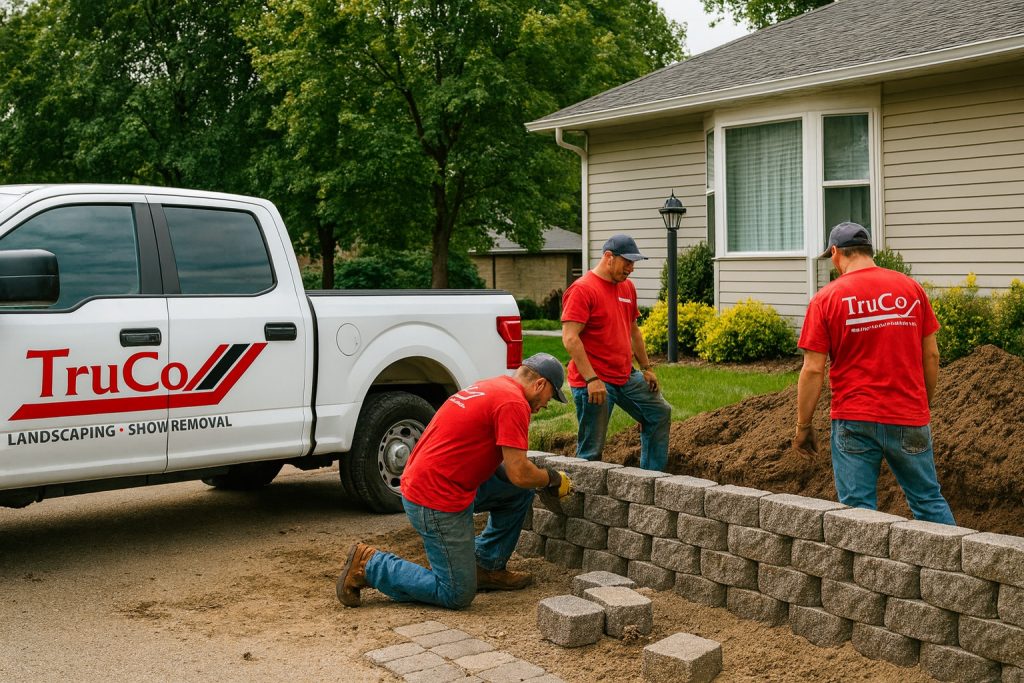
Expert Provo Utah retaining wall design and installation — practical drainage, attractive materials, and code-compliant construction. Learn design options, costs, and why Truco Services at (801) 466-8044 / https://www.trucoservices.com is the smart local choice.
Retaining walls do more than hold back soil — they transform sloped yards into usable living space, protect foundations from erosion, and add crisp architectural lines that increase curb appeal and property value. In Provo, Utah, where seasonal rains, freezing winters, and varied topography place unique demands on landscaping, smart Provo Utah retaining wall design matters. This article walks you through everything homeowners and property managers need to know: design principles, materials, drainage, permits, cost drivers, maintenance, and modern style ideas — and explains why Truco Services is a top choice for your next project.
Why thoughtful retaining wall design matters in Provo
Provo’s climate and terrain make poorly designed retaining walls a liability. Key local concerns:
-
Freeze–thaw cycles can force water into soil, expand, and push on walls.
-
Seasonal runoff from mountains increases hydrostatic pressure behind walls after storms and snowmelt.
-
Steep lot grades are common, so failing to plan for proper reinforcement and drainage can lead to movement, leaning, or collapse.
A well-designed retaining wall addresses structure and aesthetics: it controls water, resists forces from the slope, integrates with the landscape, and matches your home’s style.
Core principles of successful Provo retaining wall design
-
Proper drainage is non-negotiable. The single biggest cause of wall failure is trapped water. Designers include gravel backfill, perforated drain pipe (weeping tile), and geotextile fabric to channel water away and reduce hydrostatic pressure.
-
Appropriate structural design. Wall height, soil type, and slope determine whether a gravity wall (heavy blocks or stone), segmental modular wall, or engineered reinforced wall (geogrid and structural supports) is required.
-
Quality materials and foundation. Frost heave-resistant footings, compacted granular subbase, and frost depth considerations must be part of the plan.
-
Integration with landscape and codes. The wall should include steps/ramps, planting pockets, lighting, and meet local building codes. Higher or load-bearing walls often require engineered drawings and permits.
-
Future maintenance planning. Providing access for inspection, installing clean-outs for drain lines, and using materials that reduce staining and efflorescence make life easier long-term.
Common retaining wall materials and when to use them
-
Segmental concrete block: Popular for its ease of installation, consistent look, and durability. Great for most residential walls up to moderate heights. Blocks interlock and can be combined with geogrid for higher walls.
-
Natural stone: Superior aesthetic for high-end landscapes. Stone walls can be gravity or mortared. They require skilled masons and typically cost more upfront.
-
Timber/landscape ties: Cost-effective and warm-looking for low garden walls. Not recommended for high-load or long-term buried applications unless treated and well-drained.
-
Cast-in-place concrete: Best for high, engineered walls where structural loads or building adjacency demand strength. May be textured or stained for appearance.
-
Gabion baskets: Wire cages filled with rock; they are flexible and excellent for drainage-heavy sites or modern industrial aesthetics.
Each material has tradeoffs in cost, lifespan, maintenance, and appearance. Site-specific conditions in Provo — such as slope, water flow, and exposure — will drive the best choice.
Design features to consider for Provo yards
-
Terracing: Break tall slopes into a series of shorter walls with planting terraces — safer, more attractive, and often less expensive than a single tall wall.
-
Integrated stairs and landings: Functional transitions between levels create usable outdoor rooms.
-
Planter pockets and green facades: Soften the wall visually and improve biodiversity.
-
Lighting and hardscape integration: Add steps, pavers, and low-voltage lighting for safety and evening ambiance.
-
Retention and erosion control at the top of the slope: Use swales, permeable paving, or surface drains to limit concentrated flows that overload the wall.
Cost considerations for Provo retaining wall projects
Costs vary widely depending on height, length, materials, site access, and engineering needs. Elements that most affect price:
-
Wall height and total square footage
-
Site grading and soil removal
-
Material choice (natural stone > concrete block > timber)
-
Need for geogrid or reinforced foundation
-
Drainage systems and tie-ins to existing stormwater
-
Permit, engineering, and inspection fees
-
Labor complexity (steep or narrow access raises costs)
A reliable contractor will provide a transparent, line-item estimate and explain how each decision affects performance and longevity.
Permits, engineers, and code compliance in Provo
Many municipalities require permits for retaining walls over a certain height (often 3–4 feet) or when walls support loads (driveways, buildings). When required, structural calculations, engineered drawings, and inspections are part of the process. Skipping permits can lead to costly rework or legal issues — always verify local codes and secure the proper approvals.
Maintenance: how to keep your wall performing for decades
-
Check drains and clear debris from weep holes annually.
-
Monitor for signs of bulging or leaning and address early.
-
Remove invasive plant roots that can disturb block joints.
-
Refill or top-dress backfill gravel if settlement occurs.
-
Repair localized mortar or joint damage quickly to prevent progression.
Proper design reduces maintenance; good installation makes maintenance minimal.
Design trends for Provo retaining walls (modern & classic)
-
Modern stacked block with hidden seams for a clean, contemporary face.
-
Mixed-material walls combining concrete and wood or stone to create textural contrast.
-
Green retaining walls using planting pockets or vines to soften mass and improve microclimate.
-
Curved, flowing forms that echo natural terrain for a more organic look.
Truco Services works with homeowners to match design trends to budget and site constraints, so your wall looks current and performs reliably.
Why call Truco Services for your Provo Utah retaining wall design
Choosing the right contractor affects the wall’s lifespan and your peace of mind. Here’s why Truco Services is a strong choice for Provo Utah retaining wall design and installation:
-
Local expertise in Utah soils and climate. Truco understands freeze–thaw behavior, typical subsoils, and how to design drainage systems that work in our local conditions.
-
Comprehensive service from design to permit to installation. They handle the whole process — site evaluation, engineered designs if needed, permit submittal, and professional installation — so you don’t juggle multiple vendors.
-
Focus on structural integrity and aesthetic finish. Truco balances function and design, recommending the right materials (block, stone, gabion, concrete) for performance and style.
-
Transparent pricing and documented warranties. Expect clear estimates and explanations of tradeoffs. Truco stands behind their work with industry-standard warranties and responsive customer service.
-
Safety and code compliance. They secure required permits and inspections, reducing risk and ensuring the wall meets local building requirements.
-
Customer-first communication. From scheduling to site cleanup, Truco emphasizes clear communication so projects finish on time and with minimal disruption.
To discuss your Provo retaining wall, call Truco Services at (801) 466-8044 or visit https://www.trucoservices.com. They can arrange a site visit, provide a no-obligation estimate, and walk you through design options that fit your lifestyle and budget.
Sample project timeline (typical residential job)
-
Site visit & evaluation — measure, photograph, note drainage and access (1–2 days scheduling).
-
Design & estimate — select materials, finalize layout, produce permit drawings if required (3–7 days).
-
Permit application — timing varies by city (Provo/Utah County) — Truco manages submission.
-
Construction — excavation, foundation prep, drainage install, wall construction, backfill, finish (1–2 weeks typical for moderate projects).
-
Final inspection & cleanup — handover and maintenance guidance.
Truco provides realistic timelines and keeps you updated at every stage.
Frequently Asked Questions (FAQ)
Q: How tall can a DIY wall safely be?
A: Low garden walls under about 3 feet may be DIY-friendly if properly drained and on level subgrade. Anything taller, supporting loads, or on steep slopes should be designed and installed by professionals.
Q: How long will a well-built retaining wall last?
A: With proper materials and drainage, many walls last decades. Concrete block and stone walls commonly last 30–50 years or more.
Q: Will a retaining wall increase my property value?
A: Yes — well-executed walls that add usable space, stabilize slopes, and enhance curb appeal typically increase both usability and resale value.
Final thoughts
A retaining wall is both a structural necessity and a major landscape opportunity in Provo, Utah. When you plan carefully for drainage, structure, and style, the result is an outdoor space that’s safer, more usable, and more attractive. For homeowners who want a reliable, code-compliant, and beautifully finished retaining wall, Truco Services offers local knowledge, full-service design and permitting, and experienced installation teams.
Ready to transform your slope into a usable living space? Call Truco Services at (801) 466-8044 or visit https://www.trucoservices.com to schedule a consultation today.

Comments are closed.