

St. George Utah Fire Pit Installation: Transform Your Outdoor Space with Truco Services, Inc.
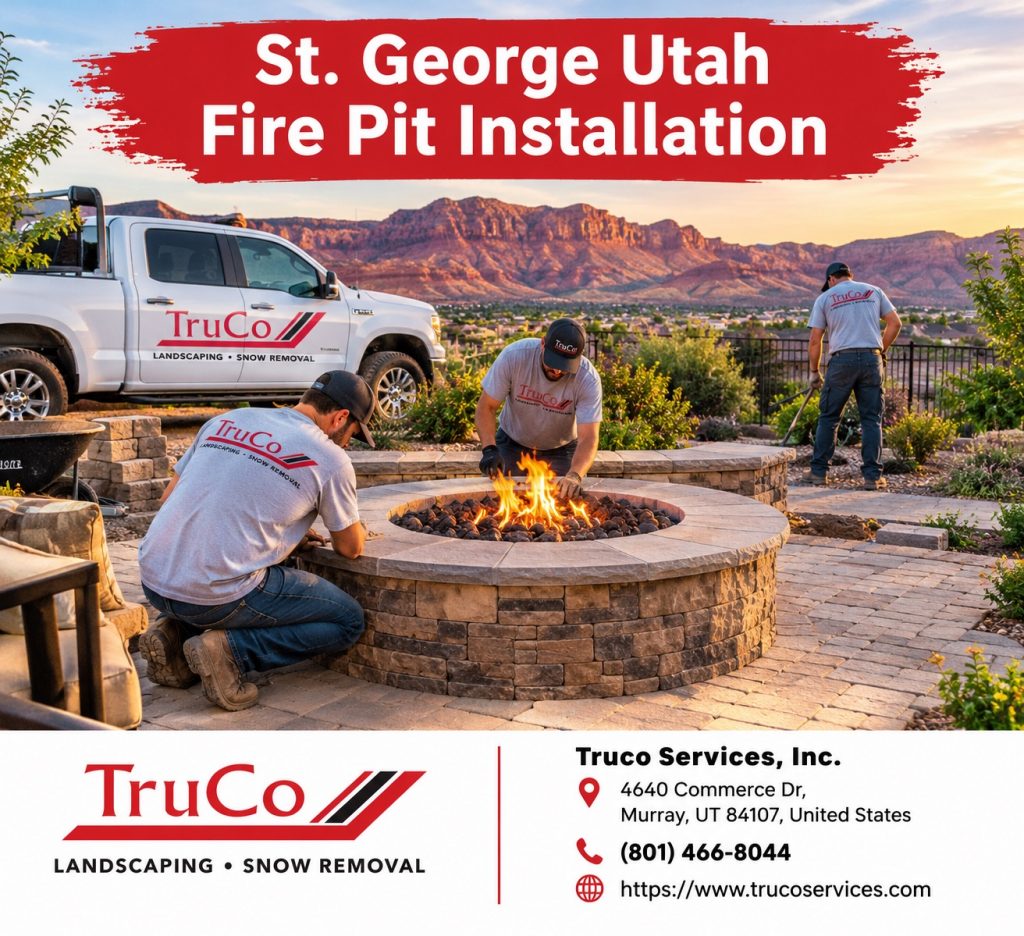
Introduction to Fire Pit Installation in St. George, Utah
Creating a beautiful, functional outdoor living area is one of the best ways to enhance your property in Southern Utah. With its stunning red rock landscapes, warm climate, and opportunities for outdoor entertaining, St. George, Utah, is an ideal location for homeowners who want to make the most of their backyards. One popular addition that brings warmth, ambiance, and lasting enjoyment to an outdoor space is a professionally installed fire pit.
St. George Utah Fire Pit Installation offers homeowners an opportunity to create an inviting gathering place for family, friends, and guests. Whether you envision a modern gas fire feature surrounded by elegant pavers, a traditional wood-burning fire pit with natural stone, or a custom outdoor centerpiece integrated into a complete landscape design, the right installation can significantly improve the appearance and usability of your property.
Truco Services, Inc. provides landscaping and outdoor improvement services that can help property owners develop attractive, practical outdoor environments. With careful planning, thoughtful material selection, and attention to the surrounding landscape, a fire pit can become a natural focal point for an outdoor living area.
This comprehensive guide explores the benefits of fire pit installation, popular design options, material choices, safety considerations, installation planning, maintenance requirements, and why St. George homeowners should consider Truco Services for their outdoor landscaping needs.
Why Fire Pits Are Popular in St. George, Utah
St. George offers a distinctive environment for outdoor living. Residents enjoy sunny weather, scenic desert surroundings, and a lifestyle that encourages spending time outside. A fire pit can make an outdoor space more comfortable and welcoming during cooler evenings, particularly in fall, winter, and early spring.
Extending Outdoor Living Hours
A backyard may be enjoyable during the day but less comfortable after temperatures drop in the evening. A well-designed fire pit provides warmth and creates a comfortable gathering point, allowing homeowners to enjoy their patios, gardens, and outdoor seating areas for longer periods.
Creating a Welcoming Entertainment Area
Fire pits naturally encourage conversation. Family members can gather around the flames, friends can enjoy an evening together, and homeowners can create a more memorable setting for outdoor celebrations.
A thoughtfully planned fire pit area can accommodate casual conversations, small gatherings, and special occasions while making the backyard feel more complete.
Enhancing Landscape Design
A fire pit can serve as a visual anchor for a landscape. It introduces a focal point that helps organize seating, pathways, planting beds, and other outdoor features.
In St. George, designs that incorporate natural stone, neutral-colored pavers, desert-inspired landscaping, and clean architectural lines can complement the area’s distinctive scenery.
Increasing the Usability of Your Property
A fire pit can transform an underused section of a yard into a purposeful outdoor destination. An empty patio corner, a large open backyard, or an area beside an outdoor entertaining space may become more functional when designed around a fire feature.
Although a fire pit may improve the appeal of a property, its effect on resale value is not guaranteed. The strongest investment is usually a design that suits the homeowner’s lifestyle, complements the property, and is built with safety and durability in mind.
If you need related articles, see the following:
St. George Utah Retaining Wall Installation
St. George Utah Outdoor Lighting Services
St. George Utah Outdoor Living Spaces
Types of Fire Pits for St. George Properties
Choosing the right fire pit begins with understanding the available fuel types, designs, and installation requirements. The ideal option depends on your preferences, property layout, maintenance expectations, and applicable local regulations.
1. Natural Gas Fire Pits
Natural gas fire pits connect to an approved natural gas supply. They are popular among homeowners who prefer convenient operation and a permanent outdoor feature.
Benefits include:
- Convenient ignition and flame adjustment when properly equipped.
- No need to store firewood.
- No wood ash to remove after each use.
- A clean, contemporary appearance.
- Compatibility with many built-in stone, concrete, and masonry designs.
Natural gas installations require appropriate gas-line sizing, approved components, and professional installation by qualified personnel. The location of the gas connection, access for maintenance, ventilation, and the manufacturer’s specifications should be considered before construction begins.
2. Propane Fire Pits
Propane fire pits are another option for homeowners who want a gas-powered feature without a permanent natural gas connection.
Some models use a concealed propane tank within a purpose-built enclosure, while others use a separate tank connected to a portable unit.
Advantages include flexibility in placement, convenient operation, and a wide selection of contemporary designs. However, tank storage, clearances, ventilation, and accessibility must follow the product instructions and applicable safety requirements.
3. Wood-Burning Fire Pits
Wood-burning fire pits provide a traditional outdoor experience. The crackle of burning wood, natural aroma, and changing appearance of the flames create a distinctive atmosphere.
These fire pits may be constructed using fire-rated masonry, stone, or other materials specifically designed for high-temperature applications.
Homeowners should consider the need to store firewood, remove ashes, manage smoke, and maintain the surrounding area. Most importantly, wood-burning features must comply with applicable fire restrictions, air-quality rules, and local requirements. They should not be used when a burn restriction or fire ban prohibits them.
4. Built-In Stone Fire Pits
A built-in stone fire pit offers a permanent, customized appearance. Natural stone and compatible manufactured masonry products can complement patios, retaining walls, garden borders, and other landscape features.
The design may be circular, square, rectangular, or custom-shaped. A professional installation should use suitable fire-rated components in the combustion area rather than assuming ordinary decorative stone is safe for direct exposure to intense heat.
5. Modern Concrete Fire Pits
Concrete fire pits are well suited to contemporary outdoor spaces. Their simple geometry and smooth surfaces can complement modern homes, minimalist patios, and streamlined landscape designs.
Depending on the product, a concrete fire pit may be prefabricated or built as part of a custom installation. The materials and construction must be appropriate for the intended heat exposure, fuel type, and outdoor environment.
6. Portable Fire Pits
Portable fire pits offer flexibility for homeowners who do not want a permanent installation. Some models use propane, while others burn wood or approved solid fuels.
Although portable products can be easier to relocate, they still require safe placement, suitable clearance from combustible materials, stable support, and compliance with local restrictions. Portability does not eliminate fire risk or regulatory requirements.
Custom Fire Pit Design for St. George Homes
A successful fire pit installation should look like an intentional part of the landscape rather than an isolated addition.
Desert-Inspired Designs
St. George’s natural surroundings provide inspiration for outdoor design. Warm stone colors, textured masonry, neutral pavers, and carefully selected desert-adapted plants can create a cohesive appearance.
A fire pit surrounded by attractive paving and low-maintenance landscaping can complement the regional aesthetic without overwhelming the rest of the property.
Contemporary Outdoor Living Spaces
For homeowners who prefer modern design, a fire pit can be integrated with geometric paving, built-in benches, simple planting arrangements, and subtle outdoor lighting.
A coordinated layout can make the area feel like an extension of the home’s interior living space.
Rustic and Natural Designs
Rustic fire pits often incorporate natural-looking stone, irregular textures, and organic shapes. These features can work particularly well in yards designed around native or desert-inspired landscaping.
The key is to balance visual character with practical considerations such as seating, circulation, drainage, and safe distances from surrounding structures.
Luxury Outdoor Entertaining Areas
A fire pit can also become part of a larger outdoor living project featuring a patio, outdoor kitchen, dining area, decorative lighting, and carefully planned planting beds.
When several features are installed together, coordinating their placement from the beginning can help prevent costly changes and produce a more unified design.
Choosing the Right Location for Your Fire Pit
Location is one of the most important decisions in any St. George Utah fire pit installation project.
A well-positioned fire pit should be accessible, comfortable to use, visually appealing, and separated from potential hazards.
Consider Clearances and Fire Safety
The fire pit must be positioned according to the manufacturer’s clearance requirements and all applicable codes and fire regulations. Nearby buildings, roof overhangs, trees, shrubs, fences, furniture, and other combustible materials can create hazards.
There is no single clearance distance suitable for every fire pit. The required separation depends on the model, fuel type, installation configuration, and applicable rules.
Plan for Wind and Smoke
St. George can experience windy conditions, making wind exposure an important design consideration. Wind may affect flame behavior, carry smoke toward seating areas, or blow embers beyond the fire pit.
The installation should account for local wind patterns and the surrounding structures without creating an enclosed area that interferes with ventilation.
Create Comfortable Seating
Seating should allow people to gather naturally while maintaining required safety distances. Depending on the available space, the design might include individual outdoor chairs, a curved bench, or a dedicated paved seating area.
The arrangement should provide comfortable circulation so people can enter and leave the area without moving too close to the flames.
Evaluate Drainage and Ground Conditions
The fire pit and surrounding patio should be installed on a suitable, stable base. Water should not collect around the installation, and the finished surface should remain safe to walk on.
Where necessary, the design should address soil conditions, grading, drainage, and the relationship between the new feature and the existing landscape.
Consider Access and Maintenance
The fire pit should be accessible for routine cleaning, inspection, and repairs. Gas shutoff valves and other service components must remain accessible as required by the installation design and applicable codes.
Planning for maintenance at the beginning can prevent difficulties later.
Materials for a Durable and Attractive Fire Pit
Material selection affects appearance, durability, maintenance, and overall project cost.
Natural Stone
Natural stone can create a distinctive, timeless appearance. It works well in desert-inspired landscapes and can complement existing stonework. The specific stone must be suitable for its intended application, particularly in areas exposed to direct flame or high temperatures.
Fire-Rated Brick and Masonry
Fire-rated brick and appropriate masonry components can provide a durable structure for many built-in designs. The inner combustion area should use materials specifically intended for the fire pit’s fuel type and operating temperatures.
Concrete Pavers
Pavers are a popular option for creating a level, attractive surface around a fire pit. They come in many shapes, colors, and finishes, making it possible to coordinate the installation with the home’s exterior.
Proper base preparation, joint treatment, and drainage are important for long-term performance.
Steel and Metal Components
Steel fire rings, burners, and other metal components can provide structural support or serve as the main feature of a contemporary design. Components should be designed for outdoor exposure and the temperatures associated with the selected fuel.
Decorative Gravel
Gravel can complement desert landscaping, provide a contrasting texture, and help define the surrounding area. It should be selected and installed as part of an appropriate base and drainage system rather than treated as a substitute for all required fire-resistant construction.
Integrating a Fire Pit with Professional Landscaping
One of the best ways to maximize the benefits of a fire pit is to incorporate it into a coordinated landscape design.
Patio and Hardscape Integration
A fire pit can be positioned within a patio constructed from pavers, stone, or other suitable outdoor materials. The patio should provide enough room for seating and movement while maintaining the required clearances.
A well-planned hardscape also creates a clear transition between the fire pit, garden, lawn, and other outdoor areas.
Landscape Lighting
Outdoor lighting can improve visibility around paths and seating areas after sunset. Low-level pathway lights, strategically positioned landscape fixtures, and appropriately rated accent lighting can complement the glow of a fire pit.
Lighting should be installed so that it does not distract from the fire feature or create glare for people seated nearby. Electrical work should be completed by qualified professionals where required.
Desert-Friendly Plants
St. George homeowners may prefer drought-tolerant plants that suit the local climate and water-use goals. However, plant selection and placement must account for the fire pit’s heat, required clearances, irrigation, and mature plant size.
Keep combustible vegetation away from the fire feature and avoid placing plants where they could interfere with safe access.
Outdoor Seating and Shade
Comfortable seating helps make the fire pit a practical gathering area. Durable outdoor chairs, suitable cushions, and built-in benches can all work well when placed at safe distances.
Shade structures may improve daytime comfort, but roofs, pergolas, awnings, and other overhead structures must be evaluated carefully for heat exposure, ventilation, and applicable clearance requirements.
Understanding Fire Pit Installation Costs in St. George, Utah
The cost of a fire pit installation varies according to the size, design, materials, fuel type, site conditions, and amount of surrounding landscaping required.
Rather than relying on a single advertised price, homeowners should request a project-specific estimate.
Factors that influence cost include:
- Fire pit type: Portable units generally require less site work than permanent custom installations.
- Fuel source: Gas systems may require a gas line, approved connections, valves, and professional installation.
- Materials: Natural stone, custom masonry, specialized burners, and premium finishes affect the budget.
- Site preparation: Excavation, grading, soil conditions, and removal of existing landscaping can increase labor requirements.
- Patio construction: Paving, retaining walls, steps, and seating areas add to the project’s scope.
- Drainage: Additional grading or drainage improvements may be necessary.
- Electrical features: Lighting, ignition systems, and other powered features may require electrical work.
- Permits and inspections: Applicable requirements and fees depend on the project and jurisdiction.
- Access: Difficult access to the installation area may affect equipment, material delivery, and labor.
A useful way to plan the budget is to separate the essential fire feature from optional upgrades. First establish the cost of the approved fire pit, safe installation, and necessary site preparation. Then consider enhancements such as decorative paving, built-in seating, lighting, or additional planting.
This approach makes it easier to prioritize safety and functionality while controlling project expenses.
The Fire Pit Installation Process
A professional installation generally follows a sequence of planning, preparation, construction, and final checks.
Step 1: Initial Consultation and Design
The project begins by identifying how the homeowner intends to use the fire pit. Important questions include how many people will typically gather around it, whether the feature will be used frequently, and whether the desired style is traditional, rustic, or contemporary.
The available space, existing landscaping, preferred fuel type, and budget should all be discussed.
Step 2: Site Assessment
The proposed installation area is evaluated for access, ground conditions, nearby structures, combustible materials, utilities, drainage, and potential wind exposure.
Existing underground utilities must be located before excavation. The design should also establish whether additional grading or hardscape work is necessary.
Step 3: Regulatory Review
Before construction, homeowners and contractors should verify applicable local requirements, including fire restrictions, permits, building codes, gas installation rules, and any relevant homeowners association requirements.
Requirements can vary according to the property’s jurisdiction and the type of fire feature.
Step 4: Ground Preparation
The site is prepared according to the approved design and manufacturer’s specifications. Work may include excavation, grading, compacting a suitable base, and preparing a stable surface.
Correct preparation helps reduce settlement and supports the long-term performance of the installation.
Step 5: Fire Pit Construction
The fire pit is assembled or built using appropriate materials and approved components. Gas installations must be completed by qualified professionals in accordance with applicable requirements.
The construction should account for heat exposure, ventilation, drainage, maintenance access, and the manufacturer’s instructions.
Step 6: Surrounding Landscape Installation
If included in the project, the surrounding patio, seating area, planting beds, pathways, and lighting are completed in coordination with the fire feature.
Careful sequencing helps ensure that the finished area is cohesive and functional.
Step 7: Final Inspection and Operating Guidance
The completed installation should be checked against the design, applicable requirements, and manufacturer instructions. Gas systems should receive the appropriate professional checks, and any required inspections should be completed.
The homeowner should understand how to operate the fire pit, shut off its fuel supply, clean it, and recognize when maintenance or repairs are needed.
Fire Pit Safety and Local Regulations
Safety is essential when planning any outdoor fire feature in Southern Utah. A visually attractive installation must also be appropriate for the property’s location, fuel source, and surrounding conditions.
Check Current Fire Restrictions
Fire restrictions can change with weather, drought conditions, and local fire danger. Utah’s State Fire Marshal advises residents to check with their local fire department or municipality before outdoor burning. <Cite refs={[“turn628724search3″,”turn628724search4”]}/>
The City of St. George publishes information about burn-season regulations and recreational burning. Its published guidance includes specific requirements for fire pits, separation from combustible materials, supervision, and extinguishing equipment. Homeowners should consult the current rules before using a wood-burning fire pit. <Cite refs={[“turn628724search12″,”turn628724search0”]}/>
Do not assume that a permanent installation, a portable fire pit, or a gas-fueled feature is exempt from every applicable restriction. Verify the requirements for the specific device and location.
Maintain Safe Separation
Keep the fire feature away from buildings, fences, dry vegetation, furniture, and other combustible materials as required by the product instructions and local regulations.
Overhead structures and low branches also need careful consideration. Never assume that a fire pit is safe beneath a pergola simply because the feature is relatively small.
Supervise Every Fire
A responsible adult should remain attentive whenever the fire is operating. Keep children and pets at a safe distance, and avoid placing flammable materials near the flames.
For wood-burning features, keep suitable extinguishing equipment readily accessible and ensure the fire is completely extinguished before leaving the area.
Use Appropriate Materials
Decorative stones and ordinary concrete are not automatically suitable for direct exposure to high temperatures. Some materials can crack or break apart when heated, creating a risk of injury.
Use products intended for the specific application and follow the manufacturer’s installation requirements.
Account for Wind and Dry Conditions
Strong winds can carry embers and affect flames. Dry vegetation can increase the risk of a fire spreading beyond its intended area.
Do not operate a fire pit when weather conditions or active restrictions make use unsafe or prohibited.
Maintaining Your Fire Pit
Regular maintenance helps preserve the appearance and performance of an outdoor fire feature.
Cleaning
Remove ash from wood-burning fire pits only after it has completely cooled. Follow the manufacturer’s guidance for cleaning burners, decorative media, glass, and other components in gas-powered units.
Avoid harsh cleaning products that could damage the materials.
Inspecting the Structure
Check masonry, joints, paving, and surrounding surfaces for visible cracks, movement, or other damage. Have potentially unsafe conditions evaluated before using the feature again.
Gas System Maintenance
Inspect visible components for signs of damage and arrange professional servicing when necessary. If you smell gas or suspect a leak, do not ignite the fire pit or operate nearby electrical switches. Move away from the area and contact the appropriate gas emergency service from a safe location.
Landscaping Maintenance
Keep dry leaves, dead branches, and accumulated debris away from the fire pit. Maintain the surrounding landscape so plants do not grow into required clearance areas.
Seasonal Preparation
Before using a fire pit after a long period without operation, review the manufacturer’s instructions and inspect the installation. Confirm that controls, ignition components, and other features appear to be in appropriate working condition.
Common Fire Pit Installation Mistakes to Avoid
Avoiding common planning errors can save time, expense, and frustration.
Choosing a location before considering safety: A visually appealing location may be unsuitable because of nearby structures, vegetation, wind, or clearance requirements.
Underestimating the surrounding space: A fire pit needs room for seating and circulation, not just enough space for the fire bowl itself.
Using unsuitable materials: Decorative products should not be assumed to withstand direct flame or prolonged high temperatures.
Ignoring drainage: Water accumulation can damage surrounding surfaces and create maintenance problems.
Overlooking gas or utility access: Underground utilities must be located before excavation, and service components should remain accessible.
Failing to check restrictions: Fire bans and local requirements can affect whether a particular type of fire pit may be operated.
Treating the fire pit as a standalone feature: Without thoughtful integration, the finished installation may look disconnected from the rest of the yard.
Focusing only on the initial price: Material quality, site preparation, safety provisions, and long-term maintenance all affect the overall value of a project.
Why Choose Truco Services, Inc. for St. George Utah Fire Pit Installation?
Selecting the right landscaping company is an important part of creating an attractive outdoor living environment. Homeowners need a provider that understands how outdoor features work together and recognizes the importance of planning, materials, site conditions, and safety.
Truco Services, Inc. offers landscaping services and can be contacted to discuss a fire pit project as part of a broader outdoor improvement plan. Homeowners should confirm the company’s current fire pit installation capabilities, project availability, and any required specialist arrangements during the consultation.
1. A Landscaping-Focused Approach
A fire pit is more than a decorative object. It needs to fit the surrounding patio, garden, walkways, and seating areas.
A landscaping-focused discussion can help establish how the proposed feature will relate to the overall outdoor environment, whether the project involves a new landscape or an improvement to an existing yard.
2. A Coordinated Outdoor Design
Homeowners may want a fire pit that complements existing hardscaping, outdoor lighting, planting beds, or other landscape features.
Discussing these elements together can help create a unified appearance rather than a collection of unrelated additions.
3. Attention to Property Conditions
Every property has different requirements. The size and slope of the yard, existing surfaces, access for equipment, and nearby structures can influence the installation plan.
A site-specific consultation helps identify these considerations before the work begins.
4. An Opportunity to Discuss Customization
Some homeowners prefer a simple, understated fire feature, while others envision a custom centerpiece with stonework, pavers, and coordinated seating.
Truco Services can discuss the desired design and help determine which landscaping elements fit the project’s goals and scope. Confirm which construction and fuel-system services are included in the company’s proposal.
5. A Single Plan for Multiple Outdoor Improvements
If you are already considering changes to your yard, coordinating the fire pit with other landscaping work may help simplify the overall planning process.
Discussing the entire outdoor space at the beginning can make it easier to organize the sequence of work, evaluate material choices, and avoid unnecessary changes later.
6. Clear Project Expectations
Before hiring any contractor, request a written estimate that identifies the scope of work, materials, site preparation, responsibilities for permits, utility work, inspections, and any exclusions.
Truco Services can be contacted to discuss your objectives and determine whether its services are a suitable match for your specific fire pit project.
Contact Truco Services, Inc.
If you are planning to enhance your outdoor living area, contact Truco Services, Inc. to discuss your landscaping goals and ask about options for incorporating a fire pit into your property.
Truco Services, Inc.
- Address: 4640 Commerce Dr, Murray, UT 84107, United States
- Contact number: (801) 466-8044
- Website: https://www.trucoservices.com
Call (801) 466-8044 or visit the company’s website to discuss your project, ask about service availability in St. George, and request information about the scope and cost of your proposed outdoor improvement.
Frequently Asked Questions About St. George Utah Fire Pit Installation
Do I need a permit to install a fire pit in St. George?
Permit requirements depend on the fire pit design, fuel source, installation method, and applicable local regulations. Recreational burning and permanent gas installations may be subject to different requirements. Confirm the rules with the appropriate local authority before construction or use.
Is a gas or wood-burning fire pit better for St. George?
Both can be suitable when correctly designed and permitted. Gas models offer convenient operation, while wood-burning models provide a traditional fire experience. Your decision should account for maintenance, budget, safety, smoke, and current fire restrictions.
Can a fire pit be installed on an existing patio?
Possibly. The patio must be evaluated for stability, heat exposure, clearance, drainage, and compatibility with the proposed fire pit. Not every existing patio or surface is suitable for every installation.
What is the best material for a built-in fire pit?
Suitable fire-rated masonry, appropriate natural stone, and manufacturer-approved metal components are common options. The best material depends on the design, fuel type, heat exposure, and installation specifications.
Can I include a fire pit in a complete landscape renovation?
Yes, provided the design accounts for safety and applicable requirements. Integrating the fire pit with the patio, seating, pathways, and planting plan can create a more cohesive outdoor living space.
How do I keep a fire pit safe during dry weather?
Check current restrictions, remove combustible debris from the required clearance area, monitor wind conditions, supervise any permitted fire, and have appropriate extinguishing equipment available. Do not operate the feature when conditions or restrictions prohibit it.
How can I get started with Truco Services?
Contact Truco Services at (801) 466-8044 or visit https://www.trucoservices.com. Describe your property, preferred design, and project goals, and ask about service availability in St. George, installation responsibilities, and a written estimate.
Conclusion: Create a More Inviting Outdoor Space with Fire Pit Installation
A well-planned fire pit can turn an ordinary backyard into a welcoming destination for conversation, relaxation, and outdoor entertaining. For homeowners considering St. George Utah Fire Pit Installation, the best results come from combining an attractive design with appropriate materials, careful site preparation, suitable landscaping, and compliance with local safety requirements.
From modern gas fire features to traditional masonry designs, the right solution should reflect your lifestyle and complement the distinctive Southern Utah environment. Planning the fire pit alongside patios, seating, lighting, and desert-friendly landscaping can make the entire outdoor space more functional and visually appealing.
Truco Services, Inc. is a landscaping company worth contacting to discuss your outdoor improvement goals and explore whether its services align with your project. By asking the right questions, confirming installation capabilities, and obtaining a detailed estimate, you can take a practical first step toward creating an outdoor area you will enjoy for years to come.
For information, contact Truco Services, Inc. at (801) 466-8044, visit https://www.trucoservices.com, or reach out using the business address listed above.
Make safety, thoughtful design, and long-term usability the foundation of your next outdoor project.

Comments are closed.