

Garden Edging in Layton, Utah: Enhance Your Landscape with Professional Garden Edging Services
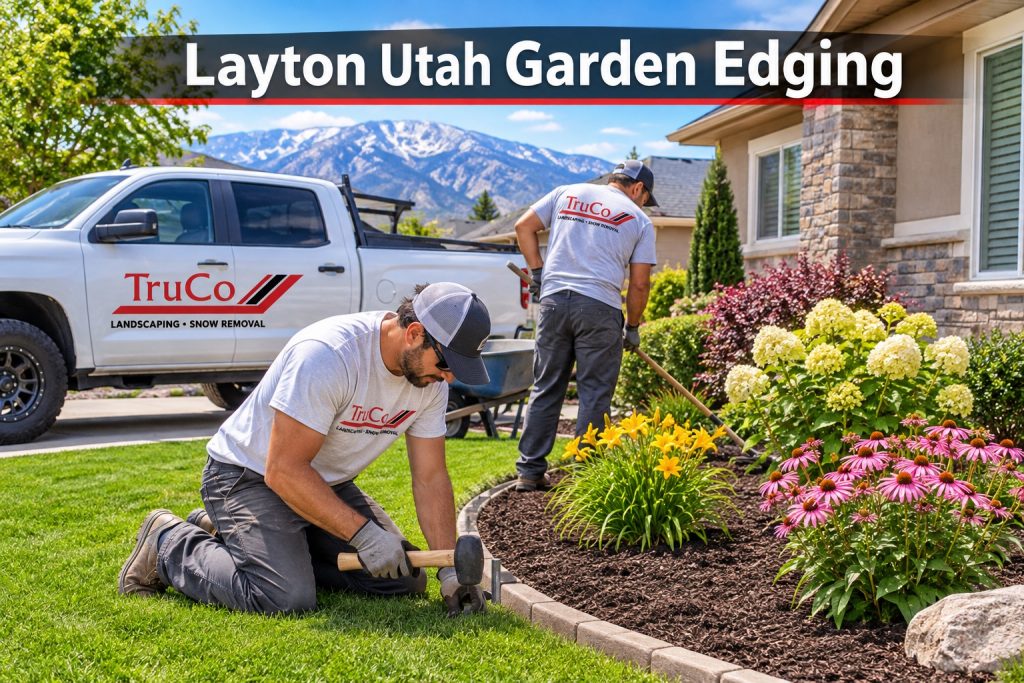
A beautiful landscape is more than just healthy grass, colorful flowers, and attractive trees. The details that define and organize an outdoor space are equally important. One of the most effective ways to improve the appearance, functionality, and overall value of a property is through professional garden edging. For homeowners and commercial property owners looking to improve their outdoor spaces, garden edging in Layton, Utah, is an excellent landscaping solution that creates clean boundaries, defines planting areas, and gives an entire yard a polished, professionally maintained appearance.
Garden edging may seem like a small landscaping feature, but it makes a significant difference in how an outdoor environment looks and functions. Properly installed edging separates lawns from flower beds, creates attractive borders around trees and shrubs, keeps mulch and decorative rock in designated areas, and helps prevent grass from spreading into unwanted spaces. It also provides structure to landscape designs, making gardens easier to maintain and more visually appealing throughout the year.
In Layton, Utah, where homeowners experience changing seasons, warm summers, cold winters, and varying soil conditions, choosing appropriate garden edging materials and installation techniques is especially important. A well-designed edging system can withstand seasonal changes while maintaining its appearance and functionality.
For property owners seeking professional landscaping assistance, Truco Services, Inc. offers landscaping expertise to help create attractive, organized, and functional outdoor environments. Whether you want to refresh an existing garden, establish new planting beds, or improve the appearance of your entire property, professional garden edging can make a noticeable difference.
What Is Garden Edging and Why Is It Important?
Garden edging is the process of creating defined borders between different areas of a landscape. These borders can separate lawns from flower beds, gardens from walkways, trees from surrounding ground cover, and decorative rock from grassy areas.
Edging can be installed using different materials, shapes, and designs depending on the property’s landscaping style and functional requirements.
A professionally edged garden creates a neat, organized appearance while helping maintain the separation between landscape features. It also makes routine yard maintenance easier by establishing clear boundaries for mowing, trimming, watering, and gardening.
For Layton homeowners, garden edging is particularly useful because outdoor spaces often include a combination of lawns, flower beds, shrubs, trees, patios, and walkways. Without clearly defined borders, these elements can gradually blend together, making the yard appear untidy.
Some important benefits of garden edging include:
-
Improved curb appeal: Clean, attractive borders give your property a professionally maintained appearance.
-
Better landscape organization: Edging separates different landscaping elements and creates a more structured design.
-
Reduced grass invasion: Properly installed edging can help limit grass spreading into flower beds.
-
Improved mulch and rock containment: Borders help keep decorative materials within designated areas.
-
Easier lawn maintenance: Defined edges make mowing and trimming more efficient.
-
Greater design flexibility: Different edging materials allow homeowners to create traditional, modern, natural, or decorative landscape styles.
-
Long-term landscape protection: Suitable edging can help maintain planting bed boundaries and reduce repeated maintenance work.
Garden edging is not simply decorative. It is a practical landscaping feature that helps protect the appearance and organization of your outdoor environment.
If you need related articles, see the following:
Popular Types of Garden Edging in Layton, Utah
Choosing the right edging material is an important part of creating an attractive and durable garden. Different materials offer different appearances, installation requirements, maintenance needs, and levels of durability.
The best option depends on your landscaping design, budget, property conditions, and personal preferences.
1. Natural Stone Garden Edging
Natural stone is a popular option for homeowners who want a timeless and sophisticated landscape appearance.
Stone edging creates a natural transition between flower beds, lawns, pathways, and other outdoor features. Its texture and color can complement surrounding plants, decorative rock, patios, and exterior architectural materials.
Benefits of natural stone edging include:
-
Attractive natural appearance.
-
Excellent durability when properly installed.
-
Resistance to many forms of weather-related wear.
-
Compatibility with traditional and modern landscapes.
-
A wide variety of sizes, colors, and textures.
Stone edging can be especially attractive around flower gardens, trees, shrubs, and decorative planting areas.
In Layton, property owners should select stones suitable for outdoor exposure and ensure they are installed on a properly prepared, stable base.
2. Concrete Garden Edging
Concrete edging is an excellent choice for homeowners seeking a clean, structured, and durable border.
It can be formed into straight lines, curves, and custom shapes to complement the overall landscape design. Concrete is also available in different colors, finishes, and decorative styles.
Advantages include:
-
Long-lasting construction.
-
A clean and consistent appearance.
-
Flexible design possibilities.
-
Defined separation between grass and planting beds.
-
Compatibility with many landscape styles.
Concrete edging can work particularly well around front yards, commercial properties, walkways, and larger garden installations.
Because Utah experiences freezing temperatures and seasonal soil movement, proper preparation, drainage, and installation are important for reducing the risk of cracking or shifting.
3. Brick Garden Edging
Brick edging offers a classic appearance that works beautifully with traditional homes, cottage gardens, and formal landscaping designs.
Bricks can be installed in different patterns, including straight lines, angled arrangements, and curved borders.
Some advantages of brick edging include:
-
Traditional and attractive appearance.
-
Multiple color and pattern options.
-
Compatibility with brick patios and walkways.
-
Flexible arrangements for different garden shapes.
-
Relatively straightforward replacement of individual units.
Brick edging can be used around flower beds, vegetable gardens, trees, and decorative planting areas.
For long-term stability, the installation should include appropriate excavation, leveling, and base preparation.
4. Metal Garden Edging
Metal edging is an excellent option for modern and minimalist landscapes.
It creates thin, clean borders without visually overwhelming the surrounding plants. Steel and aluminum are common choices, with different finishes available depending on the desired appearance and material requirements.
Benefits include:
-
Slim and discreet borders.
-
Clean separation between landscape areas.
-
Flexible installation around curves.
-
A modern and professional appearance.
-
Minimal visual obstruction.
Metal edging is particularly useful for homeowners who prefer simple landscaping designs with ornamental grasses, decorative gravel, and carefully arranged planting beds.
Material quality matters. Property owners should consider corrosion resistance, appropriate thickness, safe edges, and the manufacturer’s suitability recommendations for outdoor installation.
5. Plastic and Composite Garden Edging
Plastic and composite edging can provide a practical and economical solution for many residential gardens.
These materials are lightweight and can be shaped around curved planting beds and irregular landscape features.
Benefits may include:
-
Lower initial material costs.
-
Flexible installation.
-
Lightweight construction.
-
Different colors and profiles.
-
Useful applications for smaller garden projects.
However, product quality varies. Some inexpensive products may become brittle, shift, or lose their appearance after prolonged exposure to sunlight and changing temperatures.
For Layton properties, it is important to select products rated for the expected outdoor conditions and install them according to manufacturer recommendations.
6. Timber Garden Edging
Wood edging offers a warm, natural appearance that works well with rustic, traditional, and informal garden designs.
It can be used around raised beds, vegetable gardens, planting areas, and landscape borders.
Common benefits include:
-
Natural appearance.
-
Easy integration with wooden outdoor features.
-
Multiple sizes and design possibilities.
-
A suitable option for rustic gardens.
The main consideration is durability. Wood can deteriorate through moisture exposure, soil contact, insects, and weathering.
Using appropriate outdoor-rated materials and understanding the expected maintenance requirements can help property owners make an informed decision.
Choosing the Best Garden Edging for Your Layton Property
There is no single edging material that works best for every property. The right choice depends on the overall landscape design and the conditions of the installation area.
Before choosing an edging material, consider the following factors.
1. Your landscape style
Traditional landscapes may look better with brick or natural stone, while modern properties may benefit from concrete or metal edging.
2. Your budget
Consider both the initial installation cost and the long-term maintenance requirements. A cheaper material may require more frequent repairs or replacement.
3. Durability
Layton experiences freezing winters, warm summers, and seasonal temperature changes. Choose materials designed to withstand the outdoor conditions where they will be installed.
4. Garden shape
Straight garden borders may accommodate rigid materials, while curved or irregular beds may require flexible edging or carefully shaped stone.
5. Maintenance requirements
Consider how much time you want to spend maintaining the borders. Durable materials and professional installation can help reduce ongoing maintenance.
6. Drainage
Edging should not interfere with the natural movement of water. Poorly planned borders can trap water, create soggy areas, or redirect runoff toward buildings and other unwanted locations.
7. Existing landscaping features
The edging should complement nearby plants, trees, walkways, patios, retaining walls, and other outdoor features.
A coordinated landscape design helps ensure that the edging looks like an intentional part of the property rather than an isolated addition.
Garden Edging Ideas for Residential Properties in Layton
Garden edging can be used in numerous ways to improve the appearance and functionality of residential outdoor spaces.
Here are some ideas worth considering.
Front Yard Flower Bed Edging
The front yard is one of the first things visitors notice about your home.
Adding attractive edging around flower beds creates a neat transition between grass and colorful plants. It also gives the landscape a more organized appearance.
Homeowners can use stone, concrete, brick, or metal edging depending on their preferred style.
Backyard Garden Borders
Backyards often contain several different outdoor features, including lawns, flower beds, trees, seating areas, and walkways.
Garden edging helps organize these areas while maintaining a consistent landscape design.
It can also help create attractive transitions between recreational spaces and decorative planting areas.
Tree Ring Edging
Edging around trees creates attractive circular or geometric planting areas.
These borders can contain mulch and define the space surrounding the tree.
When creating tree rings, avoid piling soil or mulch against the trunk. The root flare should remain visible, and the tree’s root zone should not be damaged through deep excavation.
Decorative Rock Garden Edging
Decorative rock is frequently used in Utah landscaping because it offers a durable alternative to some traditional ground covers.
Edging helps contain the rock and separate it from neighboring lawns, planting beds, and walkways.
Combining decorative stone with carefully selected plants can create an attractive landscape that complements Northern Utah’s environment.
Walkway and Patio Edging
Garden edging can also enhance the appearance of outdoor walkways and patios.
Defined borders help create a smooth visual transition between hardscape features and surrounding vegetation.
For properties with outdoor entertaining areas, coordinated edging can make the entire landscape appear more cohesive.
The Garden Edging Installation Process
Proper installation is essential to achieving attractive and long-lasting results. Even high-quality edging materials may fail prematurely if the ground is not prepared correctly or the installation does not account for drainage and soil movement.
A professional garden edging project generally involves several important steps.
1. Evaluating the Property
The first step is examining the area where the edging will be installed.
This includes identifying existing garden beds, lawn boundaries, trees, shrubs, sidewalks, irrigation lines, and other landscape features.
The evaluation should also consider:
-
Soil conditions.
-
Ground slope and elevation.
-
Sunlight exposure.
-
Drainage patterns.
-
Existing irrigation equipment.
-
Desired garden shapes and dimensions.
-
Preferred edging materials.
This assessment helps determine the most appropriate installation approach.
2. Planning the Garden Border
Once the area has been evaluated, the garden borders can be planned.
Some homeowners prefer straight, symmetrical lines, while others prefer natural curves that create a softer appearance.
The design should complement the property’s architecture and existing landscaping.
Careful planning also helps avoid unnecessary excavation and ensures that the edging does not interfere with walkways, irrigation systems, or drainage features.
3. Preparing the Ground
Ground preparation is one of the most important parts of garden edging installation.
The installation area may need to be cleared of grass, weeds, rocks, roots, and other debris.
Depending on the material, the contractor may need to excavate a shallow trench and prepare a stable base.
Proper preparation helps prevent edging materials from shifting, sinking, or becoming uneven.
Before digging, underground utilities and irrigation lines should be identified to avoid accidental damage.
4. Installing the Edging Material
The selected material is installed according to the landscape design and product requirements.
This may involve positioning stone, setting bricks, forming concrete, securing metal borders, or installing flexible edging.
Attention to alignment, height, spacing, and stability is important.
The finished border should provide a consistent transition between the different landscape areas.
5. Finishing and Cleaning the Area
After installation, surrounding soil, mulch, decorative rock, and other landscaping materials are arranged appropriately.
The contractor should check the edging for stability, alignment, and potential drainage problems.
The finished area should look clean, organized, and consistent with the overall landscape.
Understanding Garden Edging Maintenance in Layton, Utah
Although garden edging can reduce certain landscaping maintenance tasks, it still requires occasional inspection and care.
Northern Utah’s changing weather conditions can affect landscape borders over time.
A seasonal maintenance routine helps preserve the appearance and functionality of your garden edging.
Spring Maintenance
Spring is an excellent time to inspect edging after winter.
Check for:
-
Materials that have shifted or become uneven.
-
Cracked or damaged concrete.
-
Loose bricks or stones.
-
Soil erosion around garden borders.
-
Grass spreading into flower beds.
-
Damaged landscape fabric.
-
Irrigation problems near the edging.
Spring cleanup also provides an opportunity to refresh mulch and remove accumulated debris.
Summer Maintenance
During summer, high temperatures and irrigation demands can affect surrounding landscaping.
Regularly inspect garden borders for excessive weed growth, displaced decorative rock, and soil erosion.
Make sure irrigation water is not consistently washing soil away from the edging.
Trim grass along the borders when necessary to maintain clean lines.
Fall Maintenance
Fall is a good time to prepare garden borders for colder weather.
Remove leaves and debris, inspect loose materials, and refresh planting beds where necessary.
If your garden includes seasonal flowers, consider how the removal or replacement of plants will affect the appearance of the borders.
Winter Considerations
Freezing temperatures and snow can place additional stress on certain edging installations.
Avoid striking concrete, stone, or other rigid borders with heavy snow-removal equipment.
After winter, inspect the installation for movement, cracking, or other damage.
Proper installation and periodic maintenance help extend the useful life of garden edging.
Common Garden Edging Mistakes to Avoid
Garden edging can dramatically improve a landscape, but certain mistakes can reduce its effectiveness.
Understanding these problems can help homeowners make better decisions.
Choosing materials based only on appearance: A beautiful edging material may not be suitable for the property’s soil, weather exposure, or intended use. Consider durability and maintenance requirements before making a selection.
Installing edging without proper preparation: Poor ground preparation can cause borders to become uneven, unstable, or displaced.
Ignoring drainage: Edging should not create barriers that trap water or redirect runoff toward the home.
Making borders too complicated: Excessively elaborate designs may make mowing, trimming, and general maintenance more difficult.
Using inconsistent materials: Too many different edging styles can make a landscape look disorganized. Choose materials that complement one another.
Installing edging too close to tree trunks: Deep excavation and aggressive root disturbance can harm trees. Tree root zones should be considered before installation.
Failing to account for grass growth: Some edging systems provide a visual border but do not prevent grass from spreading underground. Choose an appropriate system based on the type of grass and planting bed.
Avoiding these mistakes can help create a garden that looks attractive and remains easier to maintain.
Sustainable Garden Edging and Water-Wise Landscaping
Water conservation is an important consideration for property owners in Utah.
Garden edging can contribute to a more organized and efficient landscape when combined with appropriate planting and irrigation practices.
For example, clearly defined planting beds allow homeowners to group plants according to their water requirements.
This makes it easier to establish separate watering zones and avoid unnecessarily irrigating areas that do not require the same amount of moisture.
Other sustainable landscaping practices include:
-
Selecting native and regionally adapted plants.
-
Using mulch to help retain soil moisture.
-
Incorporating drought-tolerant shrubs and perennials.
-
Installing efficient irrigation systems.
-
Reducing unnecessary lawn areas.
-
Using durable edging materials.
-
Reusing suitable natural materials when practical.
-
Managing runoff and protecting soil from erosion.
Garden edging can also help contain mulch and decorative ground covers, reducing the amount of material that spreads into neighboring areas.
The best approach is to incorporate edging into a broader landscape plan that considers water use, plant health, soil conditions, and long-term maintenance.
Commercial Garden Edging for Businesses in Layton
Garden edging is not limited to residential landscaping.
Commercial properties can also benefit from professionally designed and installed landscape borders.
Businesses, office buildings, apartment communities, retail centers, and other commercial properties often have landscaping around entrances, parking areas, sidewalks, and outdoor gathering spaces.
Well-maintained edging helps commercial properties maintain a professional appearance.
Some benefits include:
A better first impression: Clean landscape borders make business properties look organized and professionally maintained.
Easier grounds maintenance: Defined planting areas make mowing, trimming, and seasonal cleanup more efficient.
Consistent landscaping: Matching edging materials can create a coordinated appearance across larger properties.
Improved landscape organization: Edging separates decorative planting beds from pedestrian areas, lawns, and other outdoor features.
Better property presentation: Attractive landscaping can help create a welcoming environment for customers, employees, tenants, and visitors.
For commercial property managers in Layton, garden edging can be an effective improvement that supports the appearance and maintenance of the entire property.
How Much Does Garden Edging Cost in Layton, Utah?
The cost of garden edging depends on several factors. Every property has different dimensions, soil conditions, landscape designs, and installation requirements.
For this reason, an accurate estimate should be based on the specific project rather than a general price.
Factors that can influence garden edging costs include:
-
Total edging length: Larger gardens and more extensive borders generally require more materials and labor.
-
Material selection: Natural stone, concrete, brick, metal, wood, and composite products have different costs.
-
Installation complexity: Curved borders, slopes, irregular shapes, and difficult access may require additional labor.
-
Ground preparation: Removing existing edging, grass, roots, rocks, or other obstacles can affect the overall price.
-
Soil conditions: Compacted, rocky, or uneven ground may require additional preparation.
-
Drainage requirements: Some installations may require additional grading or drainage improvements.
-
Existing landscaping: The condition of nearby lawns, planting beds, irrigation systems, and walkways can influence the project.
-
Project size: A small flower bed requires a different amount of work than an entire residential or commercial landscape.
Homeowners should request a detailed estimate that explains the materials, installation work, project scope, and any additional services.
Truco Services, Inc. can be contacted to discuss landscaping requirements and determine whether the company can accommodate a garden edging project in Layton.
Why You Should Call Truco Services, Inc. for Garden Edging in Layton, Utah
When searching for professional Layton Utah Garden Edging, selecting the right landscaping company is an important step toward achieving the results you want.
Garden edging requires thoughtful planning, suitable materials, proper installation, and attention to the surrounding landscape.
Truco Services, Inc. is a Utah-based landscaping company that provides landscape design, landscaping, commercial installation, and ongoing landscape-related services. Its website also highlights customized outdoor projects and professional landscape planning.
Here are several reasons to contact Truco Services, Inc. when planning your garden edging project.
1. Professional Landscaping Experience
Garden edging is most effective when it is incorporated into a complete landscaping plan.
The borders should complement the plants, lawn, walkways, decorative rock, patios, and other outdoor features.
Truco Services focuses on professional landscaping and outdoor improvements. You can discuss your property’s requirements with the company and explore suitable options for your landscaping project.
2. Customized Landscaping Solutions
Every property is different.
Some homeowners want simple borders around existing flower beds, while others want a complete landscape transformation that includes new planting areas, decorative stone, pathways, and outdoor living features.
Truco Services highlights customized landscape installations designed around clients’ goals and project requirements. This approach makes the company worth contacting when discussing how garden edging might fit into a larger outdoor improvement project.
3. Attention to Landscape Design
Successful garden edging should enhance the appearance of the entire property.
The right border design can create visual balance, emphasize attractive planting areas, and establish a more organized outdoor environment.
Truco Services lists landscape design among its services, allowing property owners to discuss how edging and other landscaping features can work together.
4. Residential and Commercial Landscaping Options
Residential and commercial landscapes have different needs.
Homeowners may prioritize attractive flower beds, backyard improvements, and manageable garden borders.
Commercial property owners may need consistent edging around entrances, walkways, parking areas, and larger planting beds.
Truco Services provides landscaping solutions for different property types. Contact the company to discuss the scope of your project and confirm whether the requested garden edging services are available in Layton.
5. A Broader Approach to Outdoor Improvements
Sometimes garden edging is only the beginning of a larger landscaping project.
You might also want to install decorative stone, improve planting beds, create a new patio, add outdoor lighting, or redesign portions of your yard.
Truco Services offers broader landscaping and outdoor installation services, which may be helpful if you are considering several improvements at once.
6. A Convenient Local Utah Point of Contact
Truco Services, Inc. is based in Murray, Utah, and lists service coverage across Northern Utah and surrounding counties.
For Layton property owners, contacting the company directly is the best way to confirm current availability, discuss project requirements, and arrange an estimate.
7. An Opportunity to Discuss Your Budget and Goals
Before beginning a landscaping project, it is important to understand the available options and expected costs.
When contacting Truco Services, explain the size of your garden, the type of edging you prefer, and whether you are considering additional landscaping improvements.
Ask about:
-
Recommended edging materials.
-
Installation requirements.
-
Project scheduling.
-
Estimated costs.
-
Available landscaping services.
-
Maintenance recommendations.
-
Service availability in Layton.
Having these details discussed before work begins can help you make a more informed decision.
If you want to improve your garden’s appearance, establish cleaner landscape boundaries, and create a more organized outdoor space, contact Truco Services, Inc. to discuss your project.
Frequently Asked Questions About Layton Utah Garden Edging
What is the best material for garden edging in Layton, Utah?
Natural stone, concrete, brick, and quality metal edging are popular choices. The best material depends on your landscaping style, budget, soil conditions, and desired durability.
Does garden edging help prevent weeds?
Garden edging can help limit grass and certain spreading plants from entering flower beds, particularly when an appropriate physical barrier is installed. However, it does not eliminate weeds. Regular maintenance and proper weed management are still necessary.
Is garden edging worth the investment?
Yes. Garden edging can improve curb appeal, organize outdoor spaces, reduce maintenance difficulties, and help contain mulch and decorative materials. Its value depends on the quality of the materials and installation.
Can garden edging be installed around existing flower beds?
Yes. Existing flower beds can often be improved by installing edging around their boundaries. The installation process depends on the current landscaping, ground conditions, and selected material.
Does garden edging require maintenance?
Yes, although many durable edging materials require relatively little maintenance. Periodic inspections, weed removal, cleaning, and repairs may be necessary to keep borders looking attractive.
When is the best time to install garden edging in Layton?
Spring, summer, and fall can all provide suitable installation opportunities, depending on weather and ground conditions. Spring and fall are often convenient periods for coordinating edging with broader landscaping improvements.
Can garden edging improve property value?
Attractive, well-maintained landscaping can contribute positively to a property’s overall presentation and curb appeal. Garden edging is one relatively small improvement that can make outdoor spaces appear more organized and professionally maintained. However, no specific increase in property value is guaranteed.
Can garden edging be combined with other landscaping services?
Absolutely. Garden edging can be incorporated into landscape design, planting bed installation, decorative rock projects, lawn improvements, walkways, patios, and other outdoor enhancements.
Why should I contact Truco Services, Inc.?
Truco Services offers landscaping and outdoor improvement services in Utah. Contacting the company allows you to discuss your landscaping goals, ask about suitable solutions, confirm availability in Layton, and request project-specific pricing.
Transform Your Outdoor Space with Professional Garden Edging in Layton, Utah
A beautiful landscape is created through thoughtful planning and attention to detail. While flowers, trees, shrubs, and lawns provide the main visual elements, garden edging brings everything together.
For homeowners and commercial property owners searching for Layton Utah Garden Edging, professional edging can make a meaningful difference in the appearance, organization, and maintenance of outdoor spaces.
From natural stone and decorative brick to concrete, metal, and flexible edging materials, there are many ways to create attractive and functional garden borders.
The key is selecting the right materials, preparing the ground properly, and incorporating the borders into a cohesive landscape design.
Whether you want to refresh an existing flower bed, create beautiful borders around trees, separate your lawn from decorative rock, or improve the appearance of your entire property, garden edging is a worthwhile landscaping improvement to consider.
Truco Services, Inc. is ready to be your point of contact for discussing landscaping and outdoor improvement possibilities in Utah. Reach out to learn more about the company’s services and confirm whether your Layton project is within its current service area.
Call Truco Services, Inc. at (801) 466-8044 today to discuss your landscaping goals and explore professional solutions for creating a cleaner, more attractive, and better-organized outdoor space.
Truco Services, Inc. – Contact Information
Truco Services, Inc.
-
Address: 4640 Commerce Dr, Murray, UT 84107, United States
-
Contact Number: (801) 466-8044
-
Website: https://www.trucoservices.com
Looking for Garden Edging in Layton, Utah? Contact Truco Services, Inc. today and take the next step toward a beautifully defined landscape!

Comments are closed.