

Layton Utah Xeriscape: Beautiful, Water-Wise Landscaping by Truco Services, Inc.
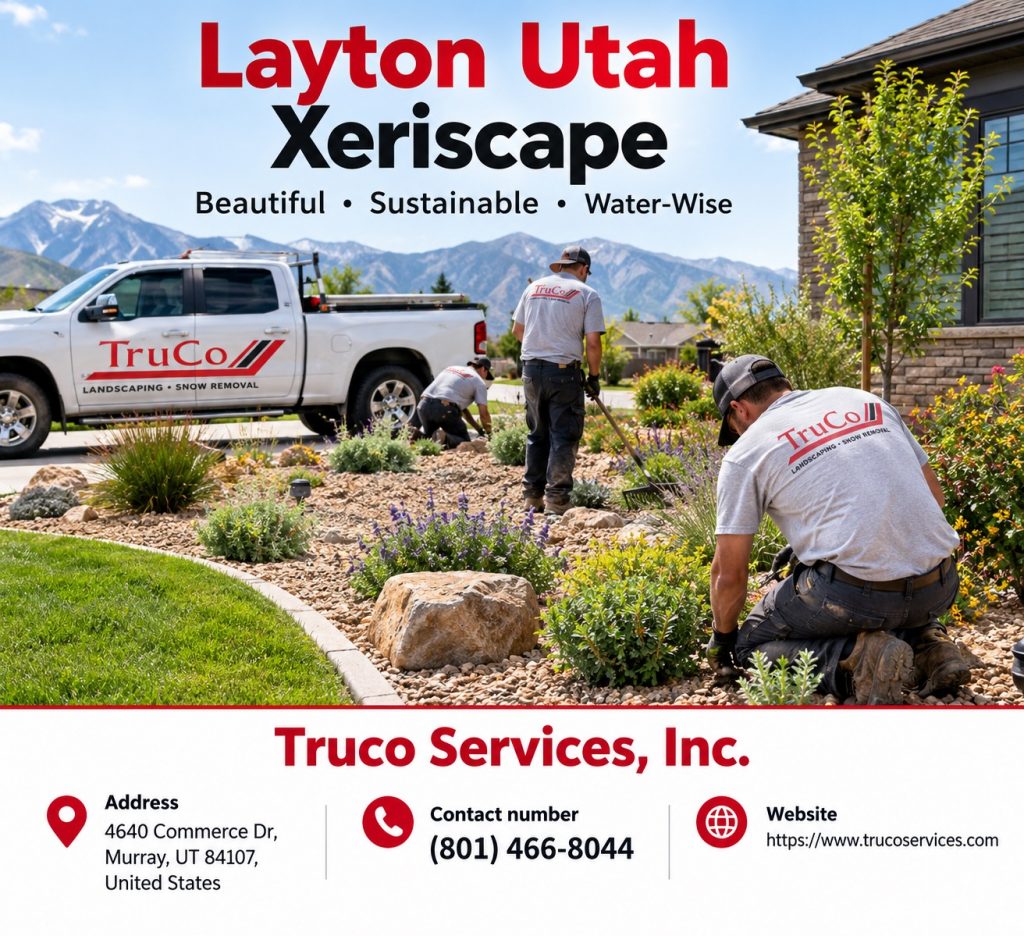
Introduction to Xeriscaping in Layton, Utah
Homeowners and commercial property owners in Layton, Utah, are increasingly looking for landscaping solutions that combine beauty, functionality, and responsible water use. With hot, dry summers, cold winters, and periodic drought conditions, Northern Utah presents unique challenges for maintaining attractive outdoor spaces. Traditional landscaping can require significant irrigation, regular mowing, and ongoing maintenance. Xeriscaping offers a practical alternative that creates beautiful, sustainable landscapes while reducing unnecessary water consumption.
If you are searching for Layton Utah Xeriscape services, Truco Services, Inc. can help you explore landscaping solutions that suit your property’s layout, your preferred style, and the local climate. Whether you want to transform a thirsty lawn, create a low-maintenance front yard, improve curb appeal, or design an inviting outdoor living area, a thoughtfully planned xeriscape can make your property more attractive and efficient.
Xeriscaping does not mean turning your yard into a barren landscape filled exclusively with rocks and gravel. Instead, it is a landscaping approach that uses careful planning, climate-appropriate plants, efficient irrigation, healthy soil practices, and strategic landscape design to create an appealing outdoor environment with lower water demands.
For Layton property owners, this approach can provide long-term benefits by helping conserve water, reduce routine landscape work, and create outdoor spaces that remain attractive through Utah’s changing seasons.
What Is Xeriscaping?
Xeriscaping is a landscaping method designed to minimize the need for supplemental irrigation without sacrificing visual appeal. The term is associated with water-efficient landscape planning, especially in regions where water conservation is an important consideration.
A successful xeriscape combines several elements, including drought-tolerant plants, efficient irrigation systems, suitable soil preparation, mulch, thoughtful landscape zoning, and appropriate lawn placement. Each component contributes to a landscape that works with the local environment rather than constantly requiring additional resources to maintain its appearance.
In Layton, xeriscaping can incorporate native Utah plants, ornamental grasses, flowering perennials, carefully selected shrubs, decorative stone, natural pathways, and limited areas of traditional turf. The final design depends on your property’s sunlight, slope, soil conditions, drainage, and intended use.
For example, a front yard might feature colorful flowering plants, compact shrubs, ornamental grasses, and a decorative stone walkway. A backyard might combine a small lawn for recreation with drought-tolerant planting beds, a patio, and shaded seating areas.
The goal is to create a balanced landscape that is attractive, functional, and adapted to Northern Utah’s climate.
If you need related articles, see the following:
Layton Utah Garden Landscaping
Why Xeriscaping Makes Sense in Layton, Utah
Layton’s climate makes water-wise landscaping especially appealing. Summers can be hot and dry, while winters bring freezing temperatures, snow, and fluctuating conditions. Plants must be selected and positioned with these seasonal changes in mind.
1. Reduce Outdoor Water Consumption
Traditional lawns often require regular irrigation during the summer months. When large turf areas are planted in locations that do not need them, water use can become unnecessarily high.
Xeriscaping helps address this issue by replacing selected high-water-use areas with climate-appropriate plants, mulch, and other water-conscious landscape features. Efficient irrigation can then deliver water where it is needed instead of applying it uniformly across the entire property.
Actual savings depend on the original landscape, plant selection, irrigation efficiency, weather, and maintenance practices. Nevertheless, reducing unnecessary turf and improving irrigation can make a meaningful difference in outdoor water use.
2. Create a Landscape That Suits Northern Utah
Plants that thrive in mild, humid environments may struggle in Layton’s dry summer conditions or cold winters. Xeriscaping emphasizes selecting plants suited to the local climate and placing them in locations where their growing requirements can be met.
Appropriate plant choices can reduce the need for frequent watering once plants are established. They can also improve the landscape’s resilience to seasonal temperature changes.
3. Lower Routine Maintenance Requirements
A conventional landscape may require frequent mowing, edging, fertilizing, irrigation adjustments, and weed control. A well-designed xeriscape can reduce some of these recurring tasks.
Drought-tolerant plants and mulched beds may require less frequent attention than extensive turf areas. However, low-water landscaping is not maintenance-free. Plants still need appropriate pruning, seasonal cleanup, occasional irrigation, and weed management.
The advantage is that maintenance can become more manageable when the landscape is designed around suitable plants and practical growing conditions.
4. Improve Curb Appeal
Water-efficient landscaping can look sophisticated, colorful, and inviting. A carefully planned combination of foliage, flowers, textures, stone, and pathways can create a distinctive appearance that complements your home’s architecture.
For Layton properties, xeriscaping can provide a polished front yard, a welcoming entrance, or an attractive transition between the home and surrounding outdoor spaces.
5. Support Responsible Landscaping
Water conservation is an important consideration throughout Utah. Reducing unnecessary irrigation can help homeowners use available water more responsibly while maintaining useful and attractive outdoor spaces.
Xeriscaping also offers opportunities to incorporate regionally appropriate plants that support pollinators and provide habitat for beneficial insects when suitable species and planting arrangements are chosen.
Essential Principles of a Successful Xeriscape Design
A professional xeriscape should be planned as a complete landscape rather than a collection of unrelated plants and decorative materials. Utah State University Extension identifies planning, soil preparation, plant selection, practical turf areas, mulch, and efficient irrigation as important elements of water-wise landscaping.
1. Careful Landscape Planning and Design
Every property has different requirements. Before installing a xeriscape, property owners should consider the size of the yard, existing trees, sun exposure, drainage, soil conditions, access routes, and how the outdoor space will be used.
A well-planned design can include:
-
Defined planting beds and attractive borders.
-
Trees and shrubs positioned to provide shade and visual structure.
-
Flowering plants for seasonal color.
-
Decorative rock and natural stone accents.
-
Pathways connecting entrances, patios, and gardens.
-
Functional lawn areas where children, pets, or residents need space.
-
Irrigation zones that match the water requirements of different plants.
Truco Services, Inc. can help property owners explore landscaping design options that fit their goals and property conditions.
2. Selecting Drought-Tolerant Plants
Plant selection is one of the most important decisions in xeriscaping. Plants should be suited to Layton’s winter temperatures, summer heat, soil conditions, and available sunlight.
Native plants can be excellent choices, but not every plant native to Utah is appropriate for every residential landscape. Plants from other dry climates can also perform well when their growing requirements match the site.
Penstemon
Penstemon varieties offer colorful flowers and can provide seasonal interest in water-wise planting beds. Select varieties that are appropriate for local conditions and the amount of moisture available.
Blue grama and other suitable ornamental grasses
Selected drought-tolerant grasses can add movement, texture, and a natural appearance. Their mature size and growth habits should be considered when positioning them near walkways and buildings.
Rabbitbrush
Appropriate rabbitbrush species can bring yellow flowers and a natural regional character to selected landscape areas. Placement and mature size are important for a balanced design.
Suitable junipers and evergreen shrubs
Carefully selected evergreen plants provide year-round structure and can help prevent a landscape from looking empty during winter.
Lavender and other adapted flowering perennials
Suitable flowering perennials can introduce fragrance, color, and attractive foliage. Their hardiness, drainage requirements, and irrigation needs should be checked before planting.
These are examples to consider, not a universal planting prescription. A professional landscape plan should account for mature plant size, local hardiness, drainage, exposure, and irrigation needs.
For additional planting guidance, property owners can consult the Utah State University Extension Water-Wise Plants for Utah Landscapes resource.
3. Grouping Plants According to Water Requirements
This technique is known as hydrozoning. It involves grouping plants with similar water needs so that each area can receive an appropriate amount of irrigation.
For example, a planting bed containing drought-tolerant shrubs and grasses should not automatically receive the same watering schedule as a bed containing plants that need more consistent moisture.
Hydrozoning can help avoid overwatering drought-tolerant plants while ensuring that other plants receive enough water to remain healthy.
For Layton properties, a well-designed irrigation layout may include separate zones for lawn, trees, shrubs, flowering beds, and newly planted areas.
4. Preparing the Soil Properly
Healthy soil helps plants establish roots and access available moisture. However, soil preparation must be appropriate for the plant species and site conditions.
Some areas may have compacted soil that limits water infiltration. Others may have clay-heavy soil or drainage problems that require specific treatment. Simply adding large amounts of organic material or sand is not always the right solution.
A good xeriscape plan considers:
-
Soil texture and drainage.
-
Compaction and root penetration.
-
Appropriate amendments for the selected plants.
-
Existing slopes and areas where water collects.
-
The depth and condition of soil in planting beds.
Preparing the soil correctly can support plant establishment and reduce problems that might otherwise appear after installation.
5. Using Mulch to Retain Soil Moisture
Mulch is an important part of many xeriscape designs. Organic mulch, such as suitable wood chips, can help reduce evaporation, moderate soil temperatures, and suppress weeds.
Decorative rock mulch is another option, particularly for certain drought-tolerant plantings and contemporary landscape designs. Its suitability depends on the plants, sun exposure, drainage, and desired appearance.
Mulch should be applied at an appropriate depth and kept away from direct contact with plant stems and tree trunks. Too much material or inappropriate placement can create plant-health problems.
The right mulch can give a landscape a finished appearance while supporting the overall water-wise design.
6. Installing Efficient Irrigation
Xeriscaping reduces unnecessary water demand, but most newly installed plants still need irrigation while their roots establish.
Drip irrigation can deliver water near plant root zones and reduce unnecessary watering of paths, patios, and other hard surfaces. Properly designed sprinkler systems may remain useful for designated lawn areas.
A water-efficient irrigation plan should consider:
-
Plant water requirements.
-
Soil infiltration and drainage.
-
Water pressure and delivery rates.
-
Drip emitters and sprinkler coverage.
-
Seasonal weather changes.
-
Controller settings and irrigation schedules.
-
Inspection and maintenance needs.
New plants may need more frequent irrigation initially, with adjustments as they become established. Mature drought-tolerant plants may need much less supplemental water, depending on species and conditions.
Truco Services offers landscaping and irrigation-related services, making it a potential option for property owners who want to discuss a coordinated outdoor improvement project.
Popular Xeriscape Landscaping Ideas for Layton Homes
A xeriscape can be adapted to almost any property style. The best design is one that complements the building, accommodates everyday activities, and makes efficient use of the available space.
1. Modern front-yard xeriscaping
Replace selected lawn areas with attractive planting beds, decorative gravel, drought-tolerant shrubs, and carefully placed boulders. Clean borders and a limited color palette create a neat appearance that complements contemporary homes.
2. Water-wise backyard landscaping
Combine a patio, walking paths, planting beds, and a smaller practical lawn area. This approach provides room for outdoor dining and recreation without requiring every part of the yard to be irrigated turf.
3. Decorative dry creek beds
A dry creek bed can introduce natural texture and create a visual connection between different landscape areas. Where appropriately designed, it may also help guide surface runoff. It should not be treated as a substitute for proper drainage engineering when runoff problems are significant.
4. Flowering pollinator gardens
Selected flowering plants can create colorful seasonal displays and provide resources for pollinators. Choosing varieties with different bloom periods can extend the garden’s visual interest.
Small yards, narrow side yards, and parking strips can benefit from appropriately sized plants, defined planting beds, and efficient irrigation. Reducing difficult-to-mow areas can also make routine maintenance easier.
Xeriscaping for Commercial Properties in Layton
Xeriscaping is not limited to residential properties. Businesses, office buildings, retail centers, apartment communities, and other commercial facilities can also benefit from water-conscious landscape planning.
Commercial landscapes need to look professional while remaining practical to maintain. Large turf areas, planting beds near entrances, parking-lot islands, and narrow perimeter strips may all present opportunities to reduce unnecessary water use.
Potential commercial xeriscape improvements include:
-
Replacing selected turf areas with adapted shrubs and ornamental grasses.
-
Installing water-efficient planting beds around entrances.
-
Improving irrigation coverage and scheduling.
-
Using mulch to reduce weed growth and moisture loss.
-
Incorporating attractive stone borders and pathways.
-
Selecting plants that suit the property’s exposure and maintenance requirements.
-
Preserving functional lawn areas where they serve a clear purpose.
A carefully planned commercial xeriscape can provide a consistent, professional appearance without depending on extensive high-water landscaping.
Truco Services, Inc. provides residential and commercial landscaping services. Property managers considering a xeriscape conversion can contact the company to discuss the project scope, design objectives, irrigation requirements, and available installation options.
Converting an Existing Lawn to Xeriscape
You do not necessarily need to remove your entire lawn to enjoy the benefits of xeriscaping. Many property owners can make the transition gradually, beginning with the least practical or most water-intensive areas.
A staged conversion may be especially helpful when working within a set budget.
Step 1: Evaluate the Existing Landscape
Identify areas where grass is difficult to maintain, receives little foot traffic, or requires frequent irrigation. Narrow strips beside buildings, steep slopes, and awkward corners can be good candidates for redesign.
Step 2: Develop a Landscape Plan
Determine which areas should remain lawn and which could become planting beds, gravel paths, or other landscape features. Consider the property’s drainage, utility locations, mature trees, and intended use.
Step 3: Remove Unwanted Turf
Remove grass in the areas designated for conversion using an appropriate method. Care should be taken to avoid damaging irrigation lines, utility services, tree roots, or surrounding features.
Step 4: Prepare the Planting Areas
Correct relevant soil, grading, and drainage issues before installing plants and decorative materials. The appropriate preparation depends on the site and the selected plant palette.
Step 5: Install Plants and Landscape Materials
Position plants according to their mature size and water requirements. Add suitable mulch, edging, stone, and pathways to establish the planned appearance.
Step 6: Adjust Irrigation
Modify irrigation zones so that lawn and water-wise planting areas can be watered appropriately. Check for leaks, overspray, runoff, and uneven distribution.
Step 7: Monitor Plant Establishment
New plants require attention during establishment. Monitor soil moisture, adjust irrigation as conditions change, and address weeds before they become widespread.
A phased conversion allows homeowners to spread project costs over time while steadily improving the landscape’s water efficiency.
Xeriscape Maintenance Through the Seasons
Although xeriscaping can reduce ongoing maintenance, seasonal care remains important in Layton’s climate.
| Season | Recommended maintenance |
|---|---|
| Spring | Inspect irrigation systems, remove winter debris, check plant health, and prepare planting beds. |
| Summer | Monitor soil moisture, adjust irrigation for weather conditions, control weeds, and inspect plants for heat stress. |
| Fall | Clean up fallen leaves, inspect irrigation components, and prepare sensitive plants for winter. |
| Winter | Protect vulnerable plants where needed, avoid unnecessary foot traffic on frozen planting areas, and plan improvements for spring. |
Irrigation systems should also be winterized appropriately before freezing conditions can damage exposed pipes and components.
Routine monitoring is important because even a drought-tolerant landscape can suffer when irrigation is incorrectly scheduled, drainage is poor, or plants are placed in unsuitable conditions.
How Much Does Xeriscaping Cost in Layton, Utah?
The cost of xeriscaping varies significantly according to the property’s size, existing conditions, design complexity, materials, and installation requirements. A simple conversion of a small planting strip will generally involve different work from a complete front- and backyard renovation.
Important cost factors include:
-
The area of lawn being removed.
-
Site preparation and grading.
-
Soil improvements and drainage work.
-
The number, size, and type of plants.
-
Decorative gravel, boulders, mulch, and edging.
-
Drip irrigation or sprinkler-system modifications.
-
Patios, walkways, retaining walls, and other hardscape features.
-
Labor, site access, and disposal of removed materials.
A straightforward project may focus on replacing selected turf with mulch and adapted plants. A more extensive design may incorporate multiple planting zones, large trees, custom pathways, retaining walls, outdoor lighting, and upgraded irrigation.
When comparing estimates, ask for a clear description of the proposed work, materials, plant sizes, irrigation modifications, and any exclusions. This makes it easier to compare proposals fairly and understand the long-term maintenance requirements.
Some water-wise landscape incentive programs may be available to eligible property owners, but eligibility, qualifying project requirements, funding, and deadlines can change. Check the current program details before making financial decisions or beginning work.
For information about Utah’s water-wise landscaping resources, consult Utah State University Extension and the Weber Basin Water Conservancy District Learning Garden.
Common Xeriscaping Mistakes to Avoid
A well-designed xeriscape should be attractive, practical, and adapted to the property’s conditions. Several common mistakes can undermine those goals.
Using too much decorative rock. Rock can be useful, but an entire yard covered in gravel may lack shade, seasonal color, and ecological variety. Combining suitable plants with hardscape materials usually creates a more balanced result.
Choosing plants based only on appearance. A plant may look appealing at a nursery but perform poorly in the wrong soil, sunlight, or temperature conditions. Research mature size, hardiness, and moisture requirements before selecting plants.
Assuming drought-tolerant plants need no water. Most newly planted species need establishment irrigation. Even established plants can require supplemental water during prolonged dry conditions.
Overwatering the landscape. Applying excessive water can waste resources and damage plants that prefer drier soil. Irrigation should be tailored to each planting zone.
Ignoring drainage. Water collecting around foundations, walkways, or planting beds can create long-term problems. Address grading and drainage concerns as part of the design.
Eliminating every lawn area. Some turf is useful for recreation, pets, and outdoor activities. Keeping lawn where it serves a purpose can make a landscape more functional.
Neglecting mature plant size. Plants placed too closely together may eventually obstruct paths, crowd windows, or require excessive pruning. Allow adequate space for natural growth.
Avoiding these mistakes helps ensure that your investment produces a landscape that is attractive and manageable over time.
Why Call Truco Services, Inc. for Xeriscaping in Layton, Utah?
Choosing a landscaping company is an important part of planning a successful xeriscape. The contractor should understand your objectives, evaluate the site, and help you determine which improvements are appropriate for your property.
Truco Services, Inc. is a Utah landscaping and outdoor services company based in Murray. Its landscaping services include design and installation work, hardscape features, irrigation-related services, and outdoor improvements. These capabilities may be relevant when planning a water-wise landscape conversion.
Here are several reasons to contact Truco Services about your Layton xeriscape project.
1. Professional Landscaping Guidance
A successful xeriscape begins with a plan. Truco Services can be contacted to discuss your landscaping goals, the condition of your existing yard, and the improvements you want to explore.
Whether you are interested in reducing lawn area, redesigning planting beds, or creating a more cohesive outdoor environment, discussing your priorities can help establish the appropriate project scope.
2. Landscaping Design and Installation Options
Xeriscaping often involves several connected elements, including plants, soil preparation, decorative materials, pathways, and irrigation. A coordinated approach helps ensure that these elements work together rather than appearing as separate additions.
Truco Services offers landscaping design and installation services that may help property owners plan broader outdoor improvements. Ask the company which specific xeriscape design and installation services are available for your Layton property.
3. Irrigation Considerations
Reducing water consumption requires more than replacing grass with gravel. Irrigation systems must also be appropriate for the new landscape.
Truco Services provides irrigation-related landscaping services. You can ask about suitable irrigation modifications, separate watering zones, efficient delivery methods, and seasonal system care as part of your project discussion.
4. Hardscape and Outdoor Living Features
A beautiful xeriscape can incorporate patios, pathways, decorative stone, retaining walls, and other hardscape elements. These features can define outdoor spaces and reduce the amount of area requiring irrigation when used appropriately.
Truco Services offers hardscape and outdoor living design options. Discussing these features together with planting and irrigation can help you explore a more unified landscape concept.
5. Residential and Commercial Landscaping Experience
Different properties have different priorities. A homeowner may want a colorful front yard and an easier-to-maintain backyard, while a commercial property manager may focus on appearance, irrigation efficiency, and predictable maintenance requirements.
Truco Services serves residential and commercial landscaping customers, making it a company worth contacting to discuss the needs of your property.
6. A Convenient Starting Point for Your Project
Rather than trying to determine every plant, material, and irrigation detail yourself, you can begin by discussing the desired results with a landscaping professional.
Before proceeding, ask for a project-specific estimate, a clearly defined scope of work, suitable plant recommendations, expected maintenance requirements, and confirmation of which services are included. These details help establish realistic expectations.
Truco Services does not need to promise a particular level of water savings for every property. The most appropriate results depend on the design, installation, irrigation practices, and long-term care.
For more information, visit the Truco Services, Inc. website or contact the company directly.
Frequently Asked Questions About Layton Utah Xeriscape
Is xeriscaping suitable for Layton, Utah?
Yes. Layton’s dry summer conditions and seasonal temperature changes make water-wise landscaping a practical option. The key is choosing plants and materials suited to the site and designing irrigation around their needs.
Does xeriscaping mean removing all the grass?
No. Xeriscaping can retain lawn areas used for recreation, pets, and other activities. The goal is to reduce unnecessary water demand while preserving a functional and attractive landscape.
Will a xeriscape eliminate irrigation costs?
No. A xeriscape may reduce outdoor water use, but plants often require irrigation during establishment and may need supplemental watering during extended dry periods. Actual savings depend on the original landscape and the final design.
Are native plants required?
No. Native plants can be excellent choices, but other climate-adapted species can also perform well. Plant selection should be based on local hardiness, soil, sunlight, drainage, and water requirements.
Is a rock-only yard the best xeriscape?
Not necessarily. Rock can be an effective design material, but a thoughtfully planned xeriscape can include flowering plants, shrubs, trees, ornamental grasses, and functional lawn areas. Plant diversity and appropriate placement help create a more inviting landscape.
Can xeriscaping increase curb appeal?
Yes. Well-designed planting beds, seasonal flowers, defined borders, and attractive hardscape features can improve a property’s appearance. The result depends on the quality of the design and how well the landscape complements the building.
When should I start a xeriscaping project?
Planning can begin at any time, although planting and installation schedules depend on weather, soil conditions, material availability, and the work involved. Discuss the best timing for your particular project with your landscaping contractor.
How do I get started with Truco Services?
Contact Truco Services, Inc. by phone or through its website. Describe your property, the areas you want to convert, your design preferences, and your water-efficiency goals. Ask about service availability in Layton and request a project-specific estimate.
Contact Truco Services, Inc. for Layton Utah Xeriscape
If you are ready to explore a more water-conscious and attractive outdoor space, xeriscaping can be a worthwhile investment in your property’s appearance and usability. With appropriate planning, climate-adapted plants, efficient irrigation, and practical landscape materials, you can create an outdoor environment that works with Northern Utah’s climate.
Whether you want to update a small front yard, reduce the maintenance requirements of a large lawn, redesign a backyard, or improve a commercial landscape, the first step is developing a plan suited to your property’s needs.
Contact Truco Services, Inc. to discuss your landscaping goals and ask about xeriscaping options for your property in Layton, Utah.
Truco Services, Inc.
Landscaping and outdoor services
Address: 4640 Commerce Dr, Murray, UT 84107, United States
Contact number: (801) 466-8044
Website: https://www.trucoservices.com
Make your next landscaping project a step toward a more water-efficient outdoor space. Contact Truco Services, Inc. to discuss your Layton Utah xeriscape goals and explore landscaping solutions that fit your property.

Comments are closed.