

St. George Utah Sod Installation: Create a Beautiful, Healthy Lawn with Truco Services, Inc.
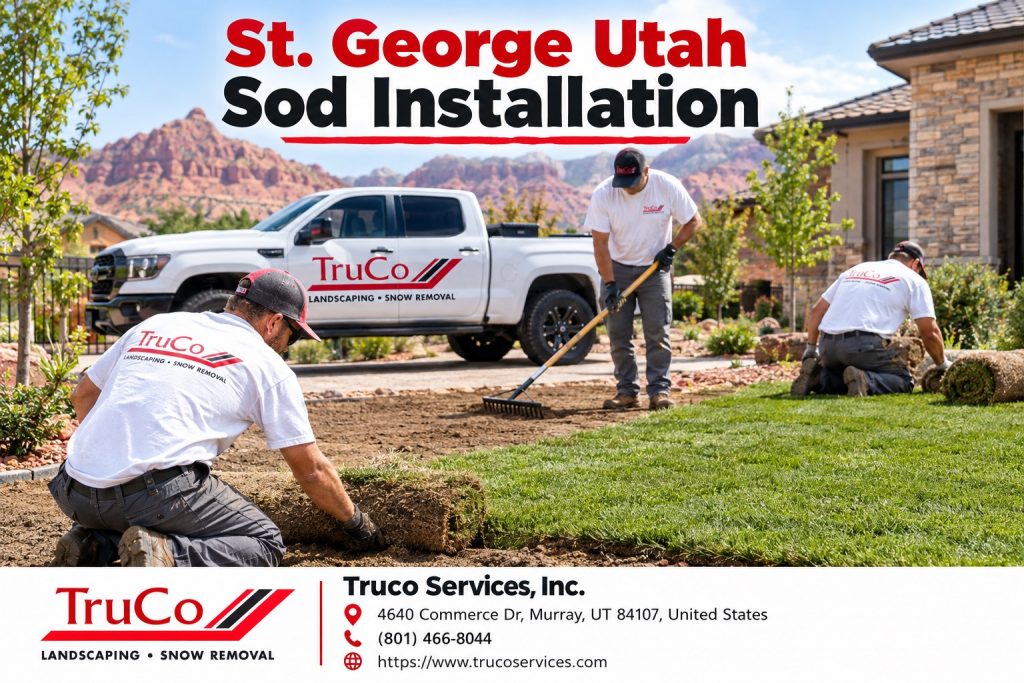
A beautiful lawn can transform the appearance of a home or commercial property, adding curb appeal, creating a welcoming outdoor environment, and providing a comfortable space for family activities and outdoor entertaining. For property owners in Southern Utah, St. George Utah sod installation is an excellent way to establish an attractive green lawn without waiting months for grass seed to grow and fill in.
However, installing sod successfully in St. George requires more than simply rolling out fresh grass. The region’s hot summers, intense sunlight, relatively low rainfall, and often alkaline or compacted soils make proper site preparation, grass selection, irrigation planning, and ongoing maintenance especially important. Without the right approach, even fresh, healthy sod can struggle to establish strong roots.
Truco Services, Inc. provides landscaping services for property owners looking to improve their outdoor spaces. Whether you are renovating an existing yard, completing a new construction project, or replacing a struggling lawn, professional sod installation can help you create a more attractive and functional landscape.
In this comprehensive guide, we will explore the benefits of sod installation, the steps involved in creating a successful lawn, the unique challenges of landscaping in St. George, and why Truco Services is worth considering for your landscaping project.
What Is Sod Installation?
Sod installation is the process of laying mature grass, including its established roots and a thin layer of soil, over properly prepared ground. Unlike traditional seeding, which requires grass to germinate and develop, sod provides an immediate covering of living grass.
When installed correctly and maintained with appropriate watering, sod gradually establishes its roots in the underlying soil. The result is a lawn that can become usable much sooner than a newly seeded lawn, depending on the grass variety, weather conditions, and establishment progress.
Professional sod installation typically includes:
-
Evaluating the existing soil and lawn conditions.
-
Removing old grass, weeds, rocks, and unwanted vegetation.
-
Preparing and grading the ground.
-
Improving the soil when necessary.
-
Selecting a grass variety suited to the property’s conditions.
-
Installing fresh sod with carefully fitted seams.
-
Rolling the sod to improve contact with the soil.
-
Watering immediately after installation.
-
Establishing an irrigation and maintenance plan.
Each step contributes to the long-term health and appearance of the lawn. Skipping important preparation work can lead to uneven growth, dry patches, poor rooting, and drainage problems.
If you need related articles, see the following:
St. George Utah Fire Pit Installation
St. George Utah Landscape Patio Design
Why St. George, Utah, Is a Unique Environment for Sod Installation
St. George offers beautiful scenery, abundant sunshine, and a climate that supports several warm-season grass varieties. However, its desert environment presents challenges that property owners must consider before installing a new lawn.
Hot Summers and Intense Sunlight
Summer temperatures in St. George can become extremely high, and exposed lawns receive substantial direct sunlight. Newly installed sod is particularly vulnerable during this period because its roots have not yet grown deeply into the existing soil.
Fresh sod can dry out quickly when temperatures rise, especially along edges, near pavement, and on sloped areas. Careful scheduling, immediate watering, and close monitoring during establishment help reduce the risk of heat stress.
Limited Natural Rainfall
Unlike regions that receive frequent rainfall throughout the growing season, St. George property owners generally need to rely on irrigation to maintain healthy lawns.
A well-designed irrigation system should distribute water evenly across the lawn without leaving dry corners or creating persistently saturated areas. Sprinkler coverage, soil infiltration, slope, and local watering requirements all influence irrigation planning.
Soil Conditions
Some properties in the St. George area have compacted, rocky, alkaline, or poorly draining soils. These conditions can interfere with root development and make it difficult for water to reach the entire root zone.
A professional assessment can help determine whether the soil needs loosening, amendments, improved grading, or other preparation before sod is installed.
Water Conservation
Water is an important consideration for every Southern Utah landscape. Although sod creates a lush appearance, the long-term water requirements depend on grass species, lawn size, weather, soil, and irrigation efficiency.
Choosing an appropriate grass variety and using efficient irrigation practices can help property owners maintain a healthy lawn while avoiding unnecessary water waste.
Benefits of Professional Sod Installation in St. George Utah
A properly installed lawn combines immediate visual improvement with a foundation for healthy root development.
1. Immediate Greenery and Improved Curb Appeal
One of the biggest advantages of sod is the immediate visual transformation it provides. A bare or patchy yard can become a green, inviting outdoor space in a single installation project.
This can be particularly valuable for homeowners preparing to sell a property, developers finishing new homes, and businesses that want to create a professional first impression.
A healthy lawn also complements trees, shrubs, flower beds, walkways, patios, and other landscape features.
2. Faster Establishment Than Grass Seed
Growing a lawn from seed takes time. Seeds must germinate, develop roots, and produce enough growth to create a relatively uniform surface.
Sod starts with mature grass, allowing the property to achieve a finished appearance much faster. However, a newly sodded lawn is not immediately ready for heavy foot traffic. Roots need time to establish, and the lawn should be inspected before regular use.
3. More Uniform Appearance
Quality sod can create a consistent lawn with fewer visible gaps than a newly seeded area. This is especially useful when replacing a large section of damaged turf or completing a new landscape.
Uniform results depend on using compatible sod, preparing the ground evenly, fitting seams tightly, and providing consistent water.
4. Reduced Exposure to Erosion
Grass roots help hold soil in place. Sod can provide relatively rapid surface protection on suitable slopes and exposed ground when installed correctly.
It may be useful around residential properties, outdoor living areas, and landscaped spaces where bare soil would otherwise be vulnerable to wind or water erosion.
Steep slopes and areas with concentrated runoff may require additional erosion-control or drainage measures.
5. A More Functional Outdoor Space
A properly maintained lawn can provide a comfortable surface for outdoor games, relaxation, and family gatherings. It can also visually connect different landscape features, making the entire yard feel more cohesive.
The best lawn design balances these benefits with the property’s water budget, intended use, and maintenance preferences.
Choosing the Right Sod for St. George Utah
Selecting the right grass is one of the most important decisions in any sod installation project. Different grass varieties have different requirements for sunlight, irrigation, mowing, seasonal color, and maintenance.
Utah State University Extension identifies Kentucky bluegrass, turf-type tall fescue, fine fescues, perennial ryegrass, buffalograss, bermudagrass, and zoysiagrass among the turfgrass options grown in Southern Utah. The best choice depends on the property and the owner’s priorities.
Kentucky Bluegrass
Kentucky bluegrass is popular for its rich green color, fine appearance, and ability to recover from regular foot traffic. It can work well for residential lawns where appearance and recreation are priorities.
However, it generally needs more irrigation and maintenance than some alternatives, making it important to consider long-term water use in St. George.
Tall Fescue
Turf-type tall fescue is a versatile option that can tolerate heat and some shade. Its deeper rooting characteristics may help it use available soil moisture more effectively than certain other cool-season grasses.
Tall fescue can be worth considering for homeowners seeking a traditional lawn with a balance of appearance and durability.
Bermudagrass
Bermudagrass is a warm-season grass suited to hot, sunny environments. It grows actively during warm weather, spreads through aboveground and belowground stems, and can recover from wear when conditions are favorable.
It may be a good option for sunny yards and areas that receive regular activity. However, it generally performs poorly in substantial shade and becomes dormant when temperatures drop.
Buffalograss
Buffalograss is a warm-season grass that can offer lower summer water requirements than many conventional lawn grasses. It may be appropriate for property owners who prioritize water conservation and accept a more seasonal appearance.
Its growth habit, appearance, and dormancy patterns differ from those of conventional turfgrass, so it is important to confirm that it matches the intended use of the lawn.
Zoysiagrass
Zoysiagrass is another warm-season option that can form dense turf under suitable conditions. It may appeal to homeowners who want an attractive lawn with good coverage.
Its establishment speed, winter dormancy, shade tolerance, and maintenance requirements should be considered before selecting it for a specific property.
Which sod is best for your property? The answer depends on sunlight, soil, irrigation availability, traffic, desired appearance, and maintenance budget. A landscaping professional can help you compare suitable varieties before installation.
For additional guidance, see Utah State University Extension’s Southern Utah turfgrass establishment recommendations.
The Professional Sod Installation Process
A successful lawn begins before the first piece of sod reaches the ground. Professional preparation helps the grass develop a strong connection with the existing soil and reduces the likelihood of future problems.
Step 1: Property Assessment and Planning
The installation process begins with evaluating the lawn area, measuring the space, identifying existing vegetation, examining drainage, and considering sunlight and irrigation. Planning also helps estimate the amount of sod needed and identify potential obstacles.
Step 2: Removing Existing Grass and Debris
Old turf, weeds, rocks, roots, and construction debris may need to be removed. Leaving unwanted vegetation beneath the new lawn can interfere with grading, root development, and the finished appearance.
Step 3: Soil Preparation and Grading
The soil is loosened where needed and graded to create a smooth, stable surface. Appropriate soil preparation helps water penetrate the root zone and reduces the risk of uneven settling. The final grade should also direct runoff away from buildings without sending water onto neighboring properties.
Step 4: Laying the Sod
Fresh sod is laid in tightly fitted rows, typically in a staggered, brick-like pattern. Installers minimize gaps, avoid overlapping edges, and cut pieces carefully around borders, trees, and landscape features.
Step 5: Rolling and Initial Watering
The lawn may be lightly rolled to improve contact between the sod and soil. Water is then applied promptly so that the sod and the soil beneath it are thoroughly moistened, encouraging the roots to begin establishing.
Step 6: Establishment and Follow-Up Care
After installation, the lawn needs careful irrigation, monitoring, and gradual adjustment to normal maintenance. The property owner should confirm that the sod is rooting well before mowing or allowing substantial foot traffic.
Utah State University Extension recommends prompt installation after delivery, tight seams, staggered rows, and appropriate soil preparation. Fresh sod should generally be installed within 24–48 hours of delivery to reduce the risk of deterioration in rolls or folds.
When Is the Best Time for Sod Installation in St. George?
Sod can be installed during much of the year in St. George when the ground is workable and irrigation is available. Frozen soil is unsuitable, and extreme heat can make establishment more challenging.
Spring and fall often offer favorable conditions because temperatures may be less stressful than during the hottest part of summer. Warm-season grasses have their own growth patterns, so the ideal installation window also depends on the variety selected.
Utah State University’s St. George turfgrass calendar includes sod installation across much of the year, while emphasizing that weather and irrigation availability influence success.
When planning your project, consider:
-
Spring: A useful period for establishing lawns as temperatures rise and active growth begins.
-
Summer: Installation may be possible, but intense heat can increase watering demands and the risk of drying.
-
Fall: Often offers more moderate temperatures, allowing suitable grass varieties to establish before winter.
-
Winter: Installation may be possible when the soil is not frozen, although growth and establishment can be slower.
For the best results, plan around the grass variety, forecast temperatures, irrigation readiness, and the condition of the installation site.
Watering New Sod: A Critical Part of Lawn Establishment
Watering is one of the most important responsibilities following sod installation. Fresh sod has a relatively shallow root system and needs adequate moisture while its roots grow into the prepared ground.
Too little water can cause the grass to dry out. Too much water can leave the soil saturated, encourage disease, and contribute to drainage problems.
Immediately After Installation
Water the entire lawn thoroughly after the sod has been laid. The water must penetrate both the sod and the underlying soil.
Check several locations by gently lifting a corner of the sod. The soil underneath should be moist rather than dry.
During the First One to Two Weeks
New sod usually requires frequent monitoring and irrigation, particularly during warm, dry weather. The exact frequency depends on temperature, wind, soil type, grass variety, and sprinkler coverage.
Do not rely on a fixed schedule without checking actual soil moisture. Areas beside pavement, on slopes, and in full sun may dry faster than shaded areas.
As Roots Begin to Establish
Gradually adjust irrigation as the grass develops a stronger root system. The goal is to encourage roots to grow into the soil rather than keeping the surface constantly wet.
Over time, many established lawns benefit from deeper, appropriately spaced irrigation rather than repeated shallow watering. The correct approach depends on soil infiltration and the turfgrass variety.
Inspect the Irrigation System
Check sprinkler heads for blocked nozzles, leaks, poor coverage, and overspray. Water should reach the entire lawn without unnecessarily soaking sidewalks, driveways, and paved areas.
For water conservation, use an irrigation schedule suited to local conditions and applicable municipal restrictions. Utah State University Extension offers additional guidance through its St. George turfgrass management calendar.
Soil Preparation and Drainage: The Foundation of Healthy Sod
Soil problems can undermine even a carefully installed lawn. A new layer of sod placed over compacted soil or an unsuitable underlying layer may struggle to establish roots.
Before installation, assess the soil for compaction, drainage, and excessive salts. Soil testing can help identify pH and nutrient concerns, while a physical inspection can reveal areas where water pools or runs off too quickly.
Good preparation may involve:
-
Removing compacted or unsuitable material.
-
Loosening the existing soil where appropriate.
-
Incorporating suitable soil amendments when justified.
-
Establishing consistent grades.
-
Correcting drainage problems before the sod is laid.
-
Ensuring that irrigation water reaches the intended root zone.
Avoid assuming that adding a thick layer of topsoil or compost will automatically solve every soil problem. Abrupt differences between soil layers can impede water movement and root development. Utah State University Extension discusses the importance of a consistent soil profile and proper preparation in its turfgrass establishment guidance.
If your yard has persistent puddles, runoff toward the foundation, or sections that repeatedly turn brown, investigate those issues before installing new sod.
Residential Sod Installation in St. George
For homeowners, a new lawn can help bring an entire outdoor living space together. Sod can complement a patio, garden beds, walkways, trees, and outdoor entertainment areas.
Residential sod installation may be appropriate for:
-
New homes with unfinished yards.
-
Existing lawns with extensive bare patches.
-
Landscape renovations.
-
Family recreation areas.
-
Front yards where curb appeal is a priority.
-
Backyard spaces surrounding patios and outdoor kitchens.
-
Properties where seeded grass has struggled to establish.
A successful residential project considers how the family intends to use the space. A lawn for children and pets may need different characteristics from a decorative front lawn with limited foot traffic.
The design should also account for shade from buildings and trees, irrigation coverage, and the amount of time the owner can devote to mowing and maintenance.
Commercial Sod Installation in St. George Utah
Commercial properties can also benefit from professionally installed sod. A well-maintained lawn can improve the appearance of office buildings, retail properties, apartment communities, hospitality properties, and other landscaped spaces.
Commercial sod installation may involve larger lawn areas, coordinated irrigation zones, access restrictions, and scheduling around business operations.
Important considerations include:
-
Maintaining a consistent appearance across visible lawn areas.
-
Planning installation to reduce disruption to customers and employees.
-
Coordinating sod delivery and installation logistics.
-
Ensuring irrigation coverage across large or irregular spaces.
-
Selecting turf suited to the property’s expected foot traffic.
-
Establishing a realistic maintenance plan.
Property managers should also consider whether every area needs traditional turfgrass. In some locations, combining lawn with drought-tolerant planting beds, trees, shrubs, and hardscape can create a more water-conscious landscape while preserving green areas where they are most useful.
Common Sod Installation Mistakes to Avoid
Even high-quality sod can fail if installation and aftercare are neglected. Avoiding these common mistakes can protect your investment.
1. Skipping soil preparation. Uneven, compacted, or poorly graded soil can prevent roots from establishing properly.
2. Choosing grass based only on appearance. A variety that looks attractive in a photograph may not suit the property’s shade, water availability, or maintenance needs.
3. Leaving gaps between sod strips. Exposed seams can dry out and create visible lines in the lawn.
4. Delaying initial watering. Fresh sod can lose moisture rapidly, especially in hot and windy conditions.
5. Overwatering. Excessive irrigation can cause saturated soil, poor root conditions, and wasted water.
6. Installing sod over unresolved drainage problems. New grass will not correct persistent runoff or standing water by itself.
7. Mowing too early. Mowing before the sod is sufficiently rooted can shift the pieces or damage the developing lawn.
8. Allowing heavy traffic too soon. Walking, playing, or moving equipment over newly installed sod can disturb the roots and create uneven areas.
9. Ignoring irrigation performance. A sprinkler system that leaves dry spots can create patchy growth even when the grass and soil are suitable.
10. Neglecting ongoing maintenance. Established lawns still need appropriate mowing, irrigation, nutrient management, and periodic inspection.
How Much Does Sod Installation Cost in St. George Utah?
The cost of sod installation varies from one property to another. There is no single price that accurately reflects every lawn because the total depends on the project’s size, preparation requirements, sod variety, access, and irrigation needs.
Factors that influence the cost include:
-
Lawn size: Larger areas require more sod and labor, although the cost per square foot may vary.
-
Sod variety: Different grass types and product qualities have different prices and availability.
-
Existing conditions: Removing old grass, weeds, rocks, or construction debris can add to preparation costs.
-
Soil work: Grading, soil improvement, and compaction correction may be necessary.
-
Irrigation: Repairs, sprinkler adjustments, or new irrigation equipment may increase the total.
-
Site access: Restricted access, steep areas, and difficult delivery conditions can affect labor.
-
Landscape complexity: Curved borders, trees, garden beds, and other obstacles may require additional cutting and fitting.
-
Drainage requirements: Correcting water-flow problems can add work before sod is installed.
When requesting an estimate, ask whether the price includes old turf removal, soil preparation, grading, sod delivery, installation, initial watering, and irrigation adjustments. Clarifying these details helps you compare proposals accurately.
For a more useful estimate, have the contractor assess the actual property rather than relying solely on a general price per square foot.
Why Choose Truco Services, Inc. for Sod Installation?
Choosing a landscaping company is an important part of creating a lawn that looks attractive and performs well over time. Property owners in St. George should look for a provider that understands landscape preparation, planting conditions, irrigation considerations, and the importance of establishing a realistic maintenance plan.
Truco Services, Inc. is a landscaping company that property owners can contact to discuss their lawn and landscape needs. Here are several reasons to consider Truco Services when planning a sod installation project.
1. A Broader Landscaping Perspective
Sod should complement the rest of the landscape rather than be treated as an isolated feature. Planning the lawn alongside garden beds, walkways, trees, patios, and irrigation can help create a more cohesive outdoor environment.
A landscaping provider can help evaluate how the new lawn fits into your property’s overall design and intended use.
2. Attention to Site Preparation
The quality of the underlying ground has a direct impact on the long-term performance of sod. Discussing soil conditions, grading, drainage, and debris removal before installation helps identify issues that could otherwise become expensive problems.
Ask Truco Services how the proposed project will address the existing soil and what preparation work is included in the estimate.
3. Irrigation Planning for Southern Utah
Water management is essential for a new lawn in St. George. A suitable irrigation plan should account for the grass variety, sun exposure, soil conditions, and the needs of newly installed sod.
Truco Services also publishes landscaping guidance on irrigation installation, reflecting the importance of water management in Southern Utah landscapes. You can explore its St. George Utah Irrigation Installation article.
When discussing your project, ask about sprinkler coverage, establishment watering, and how the watering schedule should change as the grass develops roots.
4. Support for Different Property Goals
Every lawn project has a different purpose. Some property owners want to improve the appearance of a front yard, while others need to replace worn turf, finish a new construction project, or create a usable backyard.
Discussing your goals, budget, preferred grass characteristics, and maintenance expectations can help determine the right scope of work.
5. A Practical Approach to Long-Term Lawn Health
Successful sod installation does not end when the last strip is laid. The lawn needs proper watering, appropriate mowing, and ongoing observation as the roots establish.
Before committing to a project, ask Truco Services what aftercare guidance is available, when the lawn may be ready for mowing, and what signs indicate that the sod is rooting properly.
6. A Convenient Point of Contact for Landscaping Questions
Working with a landscaping company gives you an opportunity to discuss the project, explain your concerns, and ask questions about preparation and maintenance before work begins.
Contact Truco Services to confirm service availability in St. George, discuss the scope of your project, and request an estimate. Be sure to confirm the specific sod installation services, scheduling, and any applicable travel or project charges.
Tips for Maintaining Your New Sod Lawn
Once the grass has established itself, a consistent maintenance routine can help preserve its color, density, and overall health.
Mow at the Appropriate Height
Different grass varieties have different recommended mowing heights. Cutting the grass too short can increase stress, expose soil, and reduce the lawn’s ability to tolerate heat.
Follow the recommended mowing height for your chosen variety and avoid removing too much of the grass blade in a single mowing.
Water According to Actual Conditions
Adjust irrigation for weather, soil moisture, and grass growth. Hot weather, wind, and full sun can increase water needs, while cooler conditions and rainfall may reduce them.
Avoid watering automatically when the soil is already saturated. Inspect the lawn and sprinkler system regularly.
Monitor for Weeds and Pests
A dense, healthy lawn can help limit weed establishment, but it is still important to inspect for weeds, discoloration, thinning, and signs of pests.
Identify the cause of a problem before applying treatments. Use lawn products according to their labels and consider professional guidance when the cause is unclear.
Fertilize Responsibly
Grass needs nutrients to maintain growth, but unnecessary fertilizer can waste money and contribute to environmental problems.
Soil testing and grass-specific recommendations can help determine appropriate nutrient applications. Avoid heavy fertilization before the sod has sufficiently established unless the installation plan specifically calls for an appropriate treatment.
Aerate When Necessary
Compacted soil can restrict root growth and water infiltration. Core aeration may help established lawns when compaction is present, although the timing should match the grass variety and growing season.
Inspect the Lawn Seasonally
Look for dry areas, drainage issues, damaged sprinkler heads, thinning turf, and uneven growth. Addressing small problems early can help prevent larger sections of the lawn from deteriorating.
Is Sod Installation Better Than Grass Seeding?
Both methods can produce attractive lawns, but they offer different advantages.
| Consideration | Sod installation | Grass seeding |
|---|---|---|
| Initial appearance | Immediate green coverage | Gradual development |
| Establishment | Requires careful rooting and watering | Requires germination and seedling care |
| Erosion protection | Provides relatively rapid surface coverage | Coverage develops as grass grows |
| Upfront cost | Generally higher | Generally lower |
| Grass selection | Depends on available sod varieties | May offer a wider choice of seed blends |
| Time before regular use | Depends on root establishment | Depends on germination and turf development |
Sod is often a strong choice when a property owner wants rapid visual improvement. Seeding may be more economical for larger areas or situations where a suitable seed mixture is preferred.
Neither method eliminates the need for preparation, irrigation, and maintenance. The right choice depends on the project budget, desired timeline, site conditions, and grass variety.
Frequently Asked Questions About St. George Utah Sod Installation
How long does it take for sod to root?
Root establishment depends on grass variety, temperature, soil conditions, and watering. Some roots may begin attaching to the underlying soil within days, but a lawn typically needs several weeks of careful management before it is ready for normal use. Check rooting progress before mowing or allowing heavy traffic.
Can sod be installed during summer in St. George?
Yes, installation may be possible during summer if irrigation is available and the sod can be kept adequately moist. However, extreme heat increases the risk of drying and stress. Scheduling during more moderate conditions can make establishment easier.
Does sod require daily watering?
Fresh sod often needs frequent watering during the initial establishment period, but the appropriate frequency varies with weather, soil, and grass type. As roots develop, irrigation should be adjusted to promote deeper rooting without saturating the soil.
How do I know if my sod is dying?
Warning signs include persistent browning, curling or brittle grass blades, shrinking gaps between strips, and sod that remains loose instead of rooting. These symptoms can indicate insufficient water, excessive moisture, heat stress, poor soil contact, or another problem. Check soil moisture beneath the sod and investigate the underlying cause.
Can sod be installed over an existing lawn?
Simply laying new sod over an existing lawn is generally not recommended. Existing vegetation can interfere with soil contact and root development. Removing or properly preparing the old lawn creates a better foundation for the new turf.
Is sod a good choice for water-conscious landscaping?
Sod can be appropriate when a lawn is genuinely useful, but grass varieties differ in their water needs. Choosing suitable turf, maintaining efficient irrigation, and limiting lawn to functional areas can help manage water use. Drought-tolerant plants and other landscape features may be better choices for areas that do not need grass.
Does Truco Services serve St. George, Utah?
Truco Services can be contacted to discuss your landscaping needs and confirm whether it can accommodate your project in St. George. Ask about service availability, the scope of sod installation, scheduling, and estimates before making arrangements.
Contact Truco Services, Inc. for St. George Utah Sod Installation
A healthy, attractive lawn begins with the right grass, careful site preparation, appropriate irrigation, and consistent aftercare. For homeowners and commercial property owners, professional sod installation can transform bare ground or a deteriorating lawn into a more welcoming outdoor environment.
When planning St. George Utah sod installation, consider the local climate, your soil conditions, the amount of sunlight your yard receives, and the long-term maintenance your lawn will require. Making these decisions before installation can help you avoid common problems and get more value from your landscaping investment.
Truco Services, Inc. is a landscaping company you can contact to discuss your project, ask questions about preparation and irrigation, and request an estimate. Confirm that the company can serve your St. George property and provide the specific sod installation work you need.
Truco Services, Inc.
Landscaping services and project inquiries
Address
4640 Commerce Dr, Murray, UT 84107, United States
Contact number
(801) 466-8044
Website
Visit Truco Services Website
Give your outdoor space a fresh start with a lawn planned for the conditions in Southern Utah. Contact Truco Services to discuss your sod installation goals and explore the options available for your property.

Comments are closed.